LM49370 Series
Boomer Aud Pwr Amp & Sub-Sys w/ an Ultra Low EMI Sprd Spectrum Class D Loudspkr Amp
Manufacturer: Texas Instruments
Catalog
Boomer Aud Pwr Amp & Sub-Sys w/ an Ultra Low EMI Sprd Spectrum Class D Loudspkr Amp
Key Features
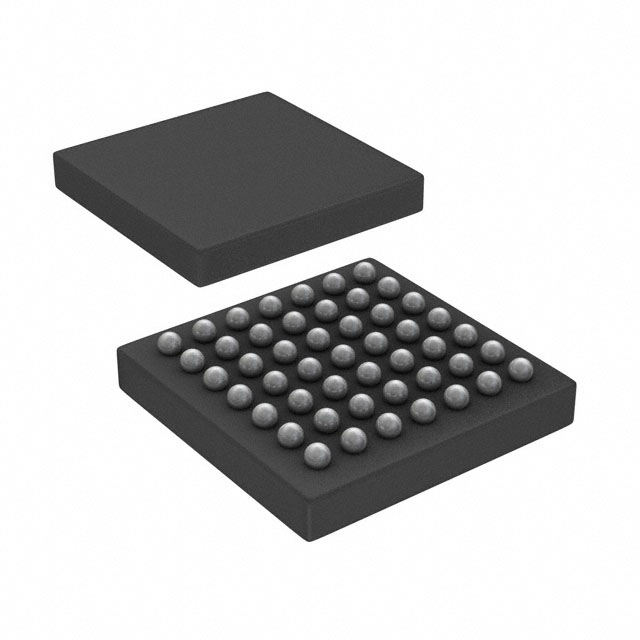
• Spread Spectrum Class D architecture reduces EMIMono Class D 8Ω amplifier, 490 mW at 3.3VOCL or AC-coupled headphone operation33mW stereo headphone amplifier at 3.3V115 mW earpiece amplifier at 3.3V18-bit stereo DAC16-bit mono ADC8 kHz to 192 kHz stereo audio playback8 kHz to 48 kHz mono recordingBidirectional I2S compatible audio interfaceBidirectional PCM compatible audio interface for Bluetooth transceiversI2S-PCM Bridge with sample rate conversionSigma-Delta PLL for operation from any clock at any sample rateDigital 3D Stereo EnhancementFIR filter programmability for simple tone controlLow power clock network operation if a 12 MHz or 13 MHz system clock is availableRead/write I2C or SPI compatible control interfaceAutomatic headphone & microphone detectionSupport for internal and external microphonesAutomatic gain control for microphone inputDifferential audio I/O for external cellphone moduleMono differential auxiliary outputStereo auxiliary inputsDifferential microphone input for internal microphoneFlexible audio routing from input to output32 Step volume control for mixers in 1.5 dB steps16 Step volume control for microphone in 2 dB stepsProgrammable sidetone attenuation in 3 dB stepsTwo configurable GPIO portsMulti-function IRQ outputMicro-power shutdown modeAvailable in the 4 x 4 mm 49 bump micro SMDxt packageSpread Spectrum Class D architecture reduces EMIMono Class D 8Ω amplifier, 490 mW at 3.3VOCL or AC-coupled headphone operation33mW stereo headphone amplifier at 3.3V115 mW earpiece amplifier at 3.3V18-bit stereo DAC16-bit mono ADC8 kHz to 192 kHz stereo audio playback8 kHz to 48 kHz mono recordingBidirectional I2S compatible audio interfaceBidirectional PCM compatible audio interface for Bluetooth transceiversI2S-PCM Bridge with sample rate conversionSigma-Delta PLL for operation from any clock at any sample rateDigital 3D Stereo EnhancementFIR filter programmability for simple tone controlLow power clock network operation if a 12 MHz or 13 MHz system clock is availableRead/write I2C or SPI compatible control interfaceAutomatic headphone & microphone detectionSupport for internal and external microphonesAutomatic gain control for microphone inputDifferential audio I/O for external cellphone moduleMono differential auxiliary outputStereo auxiliary inputsDifferential microphone input for internal microphoneFlexible audio routing from input to output32 Step volume control for mixers in 1.5 dB steps16 Step volume control for microphone in 2 dB stepsProgrammable sidetone attenuation in 3 dB stepsTwo configurable GPIO portsMulti-function IRQ outputMicro-power shutdown modeAvailable in the 4 x 4 mm 49 bump micro SMDxt package
Description
AI
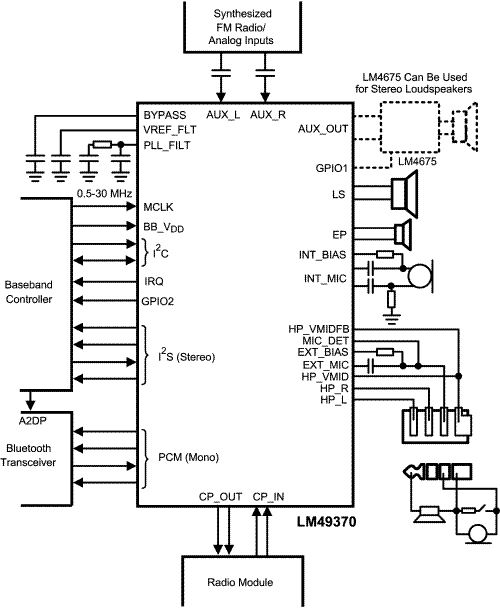
The LM49370 is an integrated audio subsystem that supports both analog and digital audio functions. The LM49370 includes a high quality stereo DAC, a mono ADC, a stereo headphone amplifier, which supports output cap-less (OCL) or AC-coupled (SE) modes of operation, a mono earpiece amplifier, and an ultra-low EMI spread spectrum Class D loudspeaker amplifier. It is designed for demanding applications in mobile phones and other portable devices.
The LM49370 features a bi-directional I2S interface and a bi-directional PCM interface for full range audio on either interface. The LM49370 utilizes an I2C or SPI compatible interface for control. The stereo DAC path features an SNR of 85 dB with an 18-bit 48 kHz input. In SE mode the headphone amplifier delivers at least 33 mWRMSto a 32Ω single-ended stereo load with less than 1% distortion (THD+N) when A_VDD= 3.3V. The mono earpiece amplifier delivers at least 115mWRMSto a 32Ω bridged-tied load with less than 1% distortion (THD+N) when A_VDD= 3.3V. The mono speaker amplifier delivers up to 490mW into an 8Ω load with less than 1% distortion when LS_VDD= 3.3V and up to 1.2W whenLS_VDD= 5.0V.
The LM49370 employs advanced techniques to reduce power consumption, to reduce controller overhead, to speed development time, and to eliminate click and pop. Boomer audio power amplifiers were designed specifically to provide high quality output power with a minimal amount of external components. It is therefore ideally suited for mobile phone and other low voltage applications where minimal power consumption, PCB area and cost are primary requirements.
The LM49370 is an integrated audio subsystem that supports both analog and digital audio functions. The LM49370 includes a high quality stereo DAC, a mono ADC, a stereo headphone amplifier, which supports output cap-less (OCL) or AC-coupled (SE) modes of operation, a mono earpiece amplifier, and an ultra-low EMI spread spectrum Class D loudspeaker amplifier. It is designed for demanding applications in mobile phones and other portable devices.
The LM49370 features a bi-directional I2S interface and a bi-directional PCM interface for full range audio on either interface. The LM49370 utilizes an I2C or SPI compatible interface for control. The stereo DAC path features an SNR of 85 dB with an 18-bit 48 kHz input. In SE mode the headphone amplifier delivers at least 33 mWRMSto a 32Ω single-ended stereo load with less than 1% distortion (THD+N) when A_VDD= 3.3V. The mono earpiece amplifier delivers at least 115mWRMSto a 32Ω bridged-tied load with less than 1% distortion (THD+N) when A_VDD= 3.3V. The mono speaker amplifier delivers up to 490mW into an 8Ω load with less than 1% distortion when LS_VDD= 3.3V and up to 1.2W whenLS_VDD= 5.0V.
The LM49370 employs advanced techniques to reduce power consumption, to reduce controller overhead, to speed development time, and to eliminate click and pop. Boomer audio power amplifiers were designed specifically to provide high quality output power with a minimal amount of external components. It is therefore ideally suited for mobile phone and other low voltage applications where minimal power consumption, PCB area and cost are primary requirements.