BQ24316 Series
Charger front end protection IC with 30V max Vin and 6.8V OVP
Manufacturer: Texas Instruments
Catalog
Charger front end protection IC with 30V max Vin and 6.8V OVP
Key Features
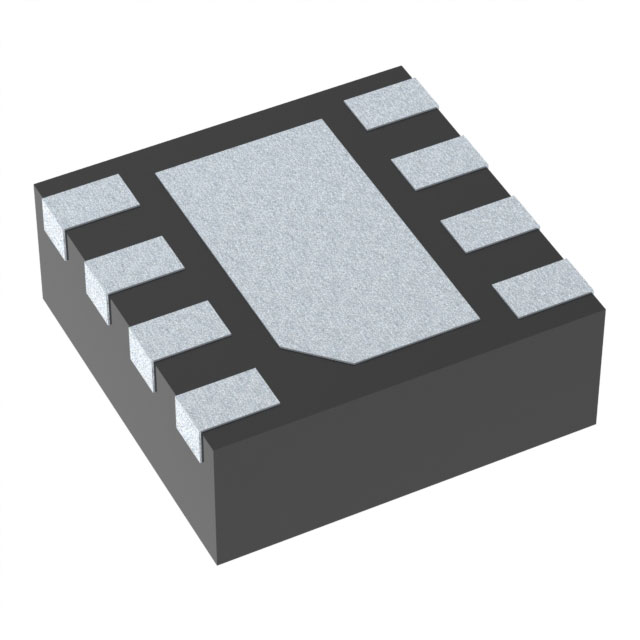
• Provides Protection for Three Variables:Input Overvoltage, With Rapid Response in< 1 µsUser-Programmable Overcurrent With CurrentLimitingBattery Overvoltage30-V Maximum Input VoltageSupports up to 1.5-A Input CurrentRobust Against False Triggering Due to CurrentTransientsThermal ShutdownEnable InputStatus Indication – Fault ConditionAvailable in Space-Saving Small 8-Pin 2 × 2 SONand 12-Pin 4 × 3 SON PackagesProvides Protection for Three Variables:Input Overvoltage, With Rapid Response in< 1 µsUser-Programmable Overcurrent With CurrentLimitingBattery Overvoltage30-V Maximum Input VoltageSupports up to 1.5-A Input CurrentRobust Against False Triggering Due to CurrentTransientsThermal ShutdownEnable InputStatus Indication – Fault ConditionAvailable in Space-Saving Small 8-Pin 2 × 2 SONand 12-Pin 4 × 3 SON Packages
Description
AI
The bq24314 and bq24316 devices are highly integrated circuits designed to provide protection to Li-ion batteries from failures of the charging circuit. The IC continuously monitors the input voltage, the input current, and the battery voltage. In case of an input overvoltage condition, the IC immediately removes power from the charging circuit by turning off an internal switch. In the case of an overcurrent condition, it limits the system current at the threshold value, and if the overcurrent persists, switches the pass element OFF after a blanking period. Additionally, the IC also monitors its own die temperature and switches off if it becomes too hot. The input overcurrent threshold is user-programmable.
The IC can be controlled by a processor and also provides status information about fault conditions to the host.
The bq24314 and bq24316 devices are highly integrated circuits designed to provide protection to Li-ion batteries from failures of the charging circuit. The IC continuously monitors the input voltage, the input current, and the battery voltage. In case of an input overvoltage condition, the IC immediately removes power from the charging circuit by turning off an internal switch. In the case of an overcurrent condition, it limits the system current at the threshold value, and if the overcurrent persists, switches the pass element OFF after a blanking period. Additionally, the IC also monitors its own die temperature and switches off if it becomes too hot. The input overcurrent threshold is user-programmable.
The IC can be controlled by a processor and also provides status information about fault conditions to the host.