ADS5424-SP Series
QMLV, 150-krad, ceramic, 14-bit, single-channel, 125-MSPS ADC
Manufacturer: Texas Instruments
Catalog
QMLV, 150-krad, ceramic, 14-bit, single-channel, 125-MSPS ADC
Key Features
• 14-Bit Resolution105-MSPS Maximum Sample RateSNR = 70 dBc at 105 MSPS and 50 MHz IFSFDR = 78 dBc at 105 MSPS and 50 MHz IF2.2-VPPDifferential Input Range5-V Supply Operation3.3-V CMOS Compatible Outputs2.3-W Total Power Dissipation2s Complement Output FormatOn-Chip Input Analog Buffer, Track and Hold, and Reference Circuit52-Pin Ceramic Nonconductive Tie-Bar Package (HFG)Military Temperature Range( –55°C to 125°C Tcase)QML-V Qualified, SMD 5962-07206Engineering Evaluation (/EM) Samples are Available(1)APPLICATIONSSingle and Multichannel Digital ReceiversBase Station InfrastructureInstrumentationVideo and ImagingAPPLICATIONSClocking: CDC7005Amplifiers: OPA695, THS4509(1)These units are intended for engineering evaluation only. They are processed to a non-compliant flow (e.g. No Burn-In, etc.) and are tested to a temperature rating of 25°C only. These units are not suitable for qualification, production, radiation testing or flight use. Parts are not warranted for performance over the full MIL specified temperature range of –55°C to 125°C or operating life.14-Bit Resolution105-MSPS Maximum Sample RateSNR = 70 dBc at 105 MSPS and 50 MHz IFSFDR = 78 dBc at 105 MSPS and 50 MHz IF2.2-VPPDifferential Input Range5-V Supply Operation3.3-V CMOS Compatible Outputs2.3-W Total Power Dissipation2s Complement Output FormatOn-Chip Input Analog Buffer, Track and Hold, and Reference Circuit52-Pin Ceramic Nonconductive Tie-Bar Package (HFG)Military Temperature Range( –55°C to 125°C Tcase)QML-V Qualified, SMD 5962-07206Engineering Evaluation (/EM) Samples are Available(1)APPLICATIONSSingle and Multichannel Digital ReceiversBase Station InfrastructureInstrumentationVideo and ImagingAPPLICATIONSClocking: CDC7005Amplifiers: OPA695, THS4509(1)These units are intended for engineering evaluation only. They are processed to a non-compliant flow (e.g. No Burn-In, etc.) and are tested to a temperature rating of 25°C only. These units are not suitable for qualification, production, radiation testing or flight use. Parts are not warranted for performance over the full MIL specified temperature range of –55°C to 125°C or operating life.
Description
AI
The ADS5424 is a 14-bit, 105-MSPS analog-to-digital converter (ADC) that operates from a 5-V supply, while providing 3.3-V CMOS compatible digital outputs. The ADS5424 input buffer isolates the internal switching of the on-chip track and hold (T&H) from disturbing the signal source. An internal reference generator is also provided to further simplify the system design. The ADS5424 has outstanding low noise and linearity, over input frequency. With only a 2.2-VPPinput range, ADS5424 simplifies the design of multicarrier applications, where the carriers are selected on the digital domain.
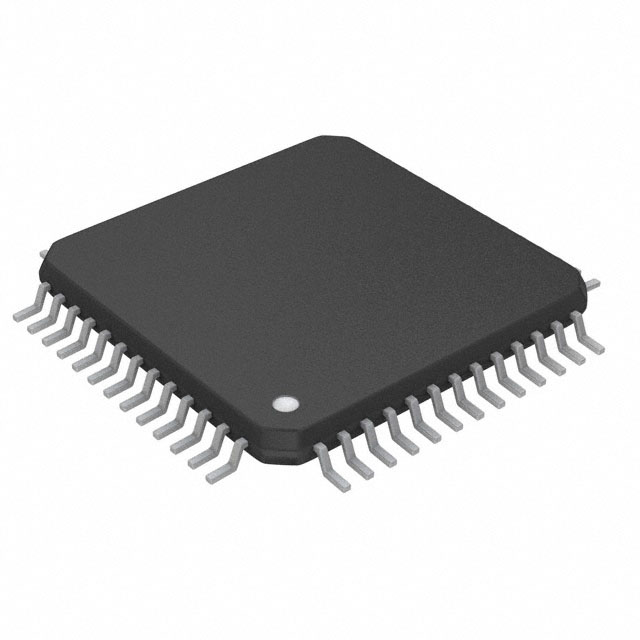
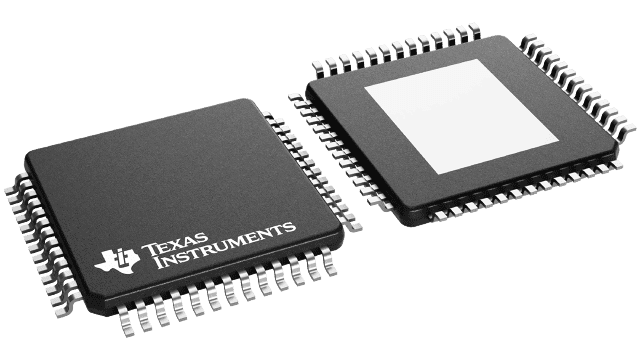
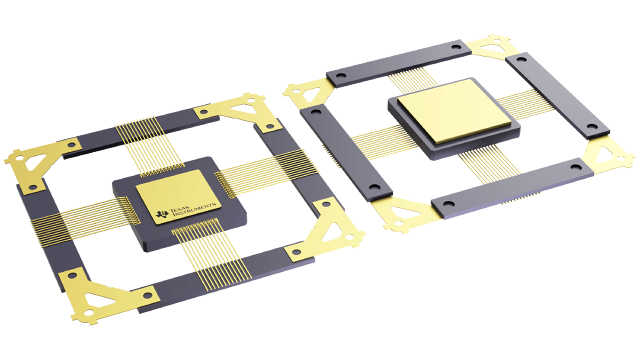
The ADS5424 is available in a 52-pin ceramic nonconductive tie-bar package (HFG). The ADS5424 is built on state of the art Texas Instruments complementary bipolar process (BiCom3) and is specified over full military temperature range (–55°C to 125°C Tcase)
This CQFP package has built-in vias that electrically and thermally connect the bottom of the die to a pad on the bottom of the package. To efficiently remove heat and provide a low-impedance ground path, a thermal land is required on the surface of the PCB directly underneath the body of the package. During normal surface mount flow solder operations, the heat pad on the underside of the package is soldered to this thermal land creating an efficient thermal path. Normally, the PCB thermal land has a number of thermal vias within it that provide a thermal path to internal copper areas (or to the opposite side of the PCB) that provide for more efficient heat removal. TI typically recommends a 16-mm2board-mount thermal pad. This allows maximum area for thermal dissipation, while keeping leads away from the pad area to prevent solder bridging. A sufficient quantity of thermal/electrical vias must be included to keep the device within recommended operating conditions. This pad must be electrically at ground potential.
The ADS5424 is a 14-bit, 105-MSPS analog-to-digital converter (ADC) that operates from a 5-V supply, while providing 3.3-V CMOS compatible digital outputs. The ADS5424 input buffer isolates the internal switching of the on-chip track and hold (T&H) from disturbing the signal source. An internal reference generator is also provided to further simplify the system design. The ADS5424 has outstanding low noise and linearity, over input frequency. With only a 2.2-VPPinput range, ADS5424 simplifies the design of multicarrier applications, where the carriers are selected on the digital domain.
The ADS5424 is available in a 52-pin ceramic nonconductive tie-bar package (HFG). The ADS5424 is built on state of the art Texas Instruments complementary bipolar process (BiCom3) and is specified over full military temperature range (–55°C to 125°C Tcase)
This CQFP package has built-in vias that electrically and thermally connect the bottom of the die to a pad on the bottom of the package. To efficiently remove heat and provide a low-impedance ground path, a thermal land is required on the surface of the PCB directly underneath the body of the package. During normal surface mount flow solder operations, the heat pad on the underside of the package is soldered to this thermal land creating an efficient thermal path. Normally, the PCB thermal land has a number of thermal vias within it that provide a thermal path to internal copper areas (or to the opposite side of the PCB) that provide for more efficient heat removal. TI typically recommends a 16-mm2board-mount thermal pad. This allows maximum area for thermal dissipation, while keeping leads away from the pad area to prevent solder bridging. A sufficient quantity of thermal/electrical vias must be included to keep the device within recommended operating conditions. This pad must be electrically at ground potential.