INA2290 Series
Dual-channel, 2.7-V to 120-V, 1.1-MHz, ultra-precise current sense amplifier
Manufacturer: Texas Instruments
Catalog
Dual-channel, 2.7-V to 120-V, 1.1-MHz, ultra-precise current sense amplifier
Key Features
• Wide common-mode voltage:Operational voltage: 2.7 V to 120 VSurvival voltage: −20 V to +122 VExcellent CMRR:160-dB DC85-dB AC at 50 kHzAccuracyGain:Gain error: ±0.1% (maximum)Gain drift: ±5 ppm/°C (maximum)Offset:Offset voltage: ±12 µV (maximum)Offset drift: ±0.2 µV/°C (maximum)Available gains:A1 devices: 20 V/VA2 devices: 50 V/VA3 devices: 100 V/VA4 devices: 200 V/VA5 devices: 500 V/VHigh bandwidth: 1.1 MHzSlew rate: 2 V/µsQuiescent current: 370 µA (per channel)Wide common-mode voltage:Operational voltage: 2.7 V to 120 VSurvival voltage: −20 V to +122 VExcellent CMRR:160-dB DC85-dB AC at 50 kHzAccuracyGain:Gain error: ±0.1% (maximum)Gain drift: ±5 ppm/°C (maximum)Offset:Offset voltage: ±12 µV (maximum)Offset drift: ±0.2 µV/°C (maximum)Available gains:A1 devices: 20 V/VA2 devices: 50 V/VA3 devices: 100 V/VA4 devices: 200 V/VA5 devices: 500 V/VHigh bandwidth: 1.1 MHzSlew rate: 2 V/µsQuiescent current: 370 µA (per channel)
Description
AI
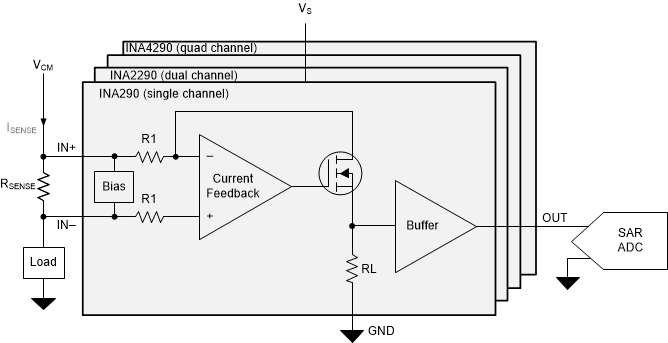
The INAx290 is an ultra-precise, current-sense amplifier that can measure voltage drops across shunt resistors over a wide common-mode range from 2.7 V to 120 V. The ultra-precise current measurement accuracy is achieved thanks to the combination of an ultra-low offset voltage of ±12 µV (maximum), a small gain error of ±0.1% (maximum), and a high DC CMRR of 160 dB (typical). The INAx290 is not only designed for DC current measurement, but also for high-speed applications (such as fast overcurrent protection, for example) with a high bandwidth of 1.1 MHz (at gain of 20 V/V) and an 85-dB AC CMRR (at 50 kHz).
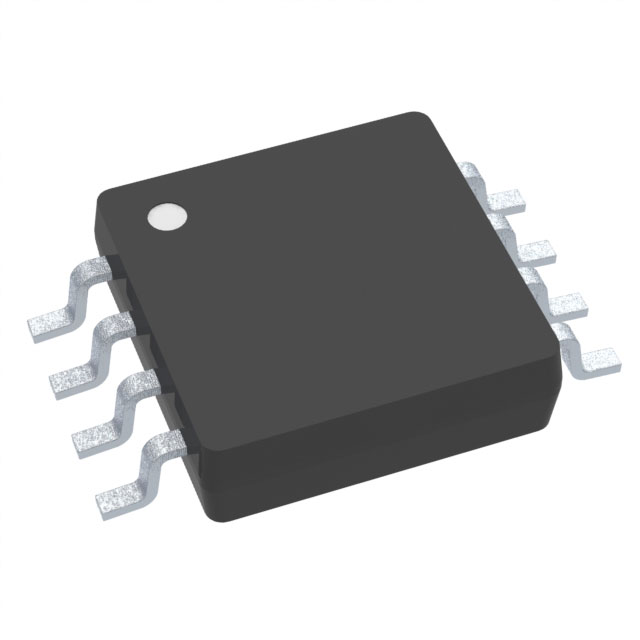
The INAx290 provides the capability to make ultra- precise current measurements by sensing the voltage drop across a shunt resistor over a wide common- mode range from 2.7 V to 120 V. The INAx290 devices come in highly space-efficient packages. The single-channel INA290 device is featured in the SC-70 package, the dual-channel INA2290 device is available in the MSOP-8 package, and the quad-channel INA4290 device is available in the 4 mm x 4 mm QFN package.
The INAx290 operates from a single 2.7-V to 20-V supply with the single channel device only drawing 370-µA supply current per channel (typical). The devices are available with five gain options: 20 V/V, 50 V/V, 100 V/V, 200 V/V, and 500 V/V. The low offset of the zero-drift architecture enables current sensing with low ohmic shunts as specified over the extended operating temperature range (−40°C to +125°C).
The INAx290 is an ultra-precise, current-sense amplifier that can measure voltage drops across shunt resistors over a wide common-mode range from 2.7 V to 120 V. The ultra-precise current measurement accuracy is achieved thanks to the combination of an ultra-low offset voltage of ±12 µV (maximum), a small gain error of ±0.1% (maximum), and a high DC CMRR of 160 dB (typical). The INAx290 is not only designed for DC current measurement, but also for high-speed applications (such as fast overcurrent protection, for example) with a high bandwidth of 1.1 MHz (at gain of 20 V/V) and an 85-dB AC CMRR (at 50 kHz).
The INAx290 provides the capability to make ultra- precise current measurements by sensing the voltage drop across a shunt resistor over a wide common- mode range from 2.7 V to 120 V. The INAx290 devices come in highly space-efficient packages. The single-channel INA290 device is featured in the SC-70 package, the dual-channel INA2290 device is available in the MSOP-8 package, and the quad-channel INA4290 device is available in the 4 mm x 4 mm QFN package.
The INAx290 operates from a single 2.7-V to 20-V supply with the single channel device only drawing 370-µA supply current per channel (typical). The devices are available with five gain options: 20 V/V, 50 V/V, 100 V/V, 200 V/V, and 500 V/V. The low offset of the zero-drift architecture enables current sensing with low ohmic shunts as specified over the extended operating temperature range (−40°C to +125°C).