MSPM0G3107-Q1 Series
Automotive 80MHz Arm® Cortex®-M0+ MCU with 128KB flash 32KB SRAM 2×12bit 4Msps ADC, op-amp, CAN-FD
Manufacturer: Texas Instruments
Catalog
Automotive 80MHz Arm® Cortex®-M0+ MCU with 128KB flash 32KB SRAM 2×12bit 4Msps ADC, op-amp, CAN-FD
Key Features
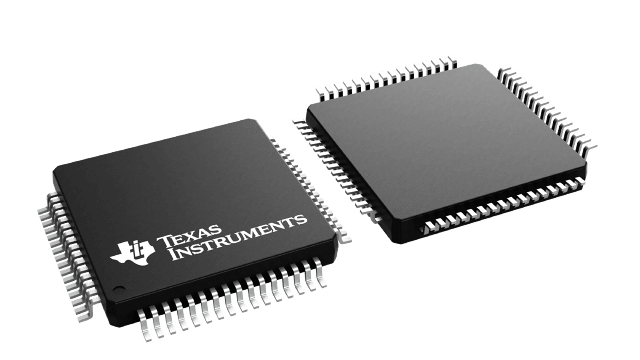
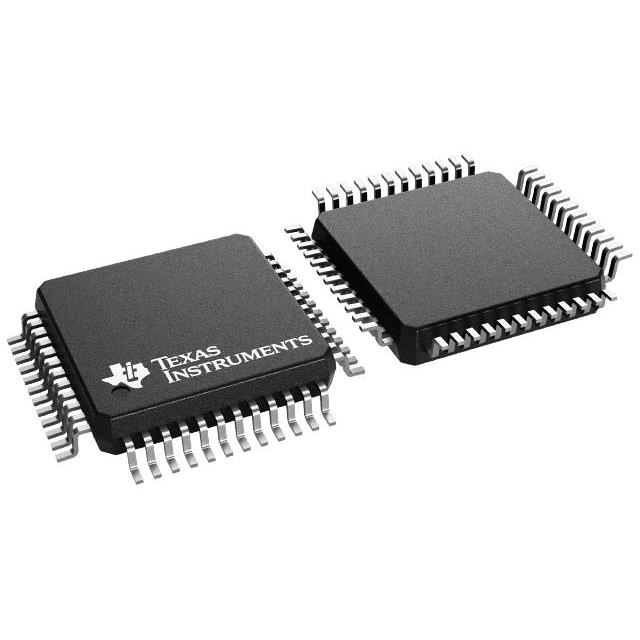
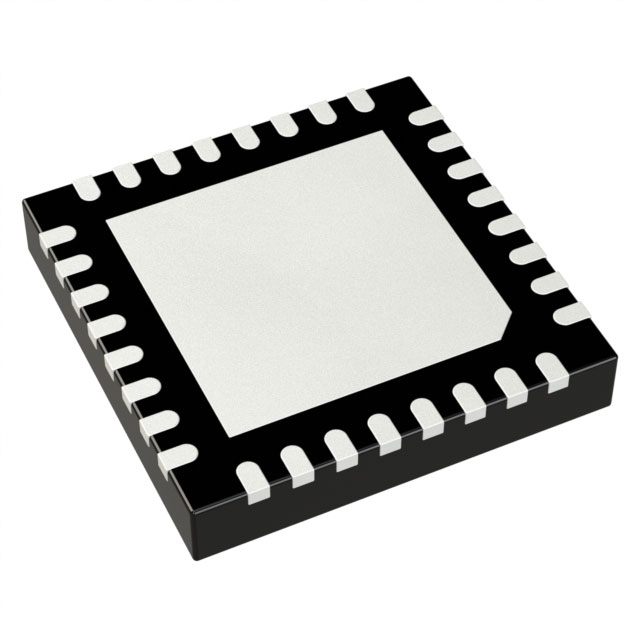
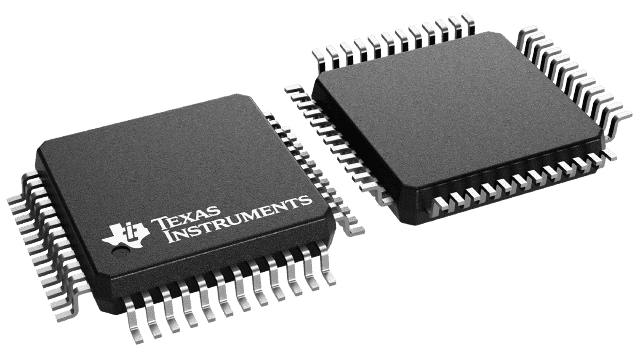
• CoreArm 32-bit Cortex-M0+ CPU with memory protection unit, frequency up to 80MHzFunctional Safety Quality-ManagedFunctional Safety ManualandFMEDAavailable to aid in functional safety system designOperating characteristicsExtended temperature: –40°C up to 125°CWide supply voltage range: 1.62V to 3.6VMemoriesUp to 128KB of flash memory with built-in error correction code (ECC)Up to 32KB of SRAM with hardware parityHigh-performance analog peripheralsTwo simultaneous sampling 12-bit 4Msps analog-to-digital converters (ADCs) with up to 17 external channels14-bit effective resolution at 250ksps with hardware averagingOne general-purpose amplifier (GPAMP)Configurable 1.4V or 2.5V internal shared voltage reference (VREF)Integrated temperature sensorIntegrated supply monitorOptimized low-power modesRUN: 101µA/MHz (CoreMark)SLEEP: 487µA at 4MHzSTOP: 47µA at 32kHzSTANDBY: 1.5µA with RTC and SRAM retentionSHUTDOWN: 80nA with IO wakeup capabilityIntelligent digital peripherals7-channel DMA controllerTwo 16-bit advanced control timers support dead band insertion and fault handlingSeven timers supporting up to 22 PWM channelsOne 16-bit general purpose timerOne 16-bit general purpose timer supports QEITwo 16-bit general-purpose timers support low-power operation in STANDBY modeOne 32-bit general-purpose timerTwo 16-bit advanced timers with deadbandTwo window-watchdog timersRTC with alarm and calendar modeEnhanced communication interfacesFour UART interfaces; one supports LIN, IrDA, DALI, Smart Card, Manchester, and three support low-power operation in STANDBY modeTwo I2C interfaces supporting up to FM+ (1Mbit/s), SMBus, PMBus, and wakeup from STOP modeTwo SPIs, one SPI supports up to 32Mbits/sOne Controller Area Network (CAN) interface supports CAN 2.0 A or B and CAN-FDClock systemInternal 4MHz to 32MHz oscillator with up to ±1.2% accuracy (SYSOSC)Phase-locked loop (PLL) up to 80MHzInternal 32kHz oscillator (LFOSC) with ±3% accuracyExternal 4MHz to 48MHz crystal oscillator (HFXT)External 32kHz crystal oscillator(LFXT)External clock inputData integrity and encryptionCyclic redundancy checker (CRC-16, CRC-32)True random number generator (TRNG)AES encryption with 128- or 256-bit keyFlexible I/O featuresUp to 60 GPIOsTwo 5V-tolerant IOsTwo high-drive IOs with 20mA drive strengthDevelopment support2-pin serial wire debug (SWD)Package options64-pin LQFP48-pin LQFP, VQFN32-pin VQFN32 and 28-pin VSSOP20-pin VSSOPFamily members (also see Device Comparison)MSPM0G3105: 32KB flash, 16KB RAMMSPM0G3106: 64KB flash, 32KB RAMMSPM0G3107: 128KB flash, 32KB RAMDevelopment kits and software (also see Tools and Software)LP-MSPM0G3507 LaunchPad™ development kitMSP Software Development Kit (SDK)Automotive qualificationAEC-Q100 Grade 132-pin and 48-pin QFNs with wettable flanks optionCoreArm 32-bit Cortex-M0+ CPU with memory protection unit, frequency up to 80MHzFunctional Safety Quality-ManagedFunctional Safety ManualandFMEDAavailable to aid in functional safety system designOperating characteristicsExtended temperature: –40°C up to 125°CWide supply voltage range: 1.62V to 3.6VMemoriesUp to 128KB of flash memory with built-in error correction code (ECC)Up to 32KB of SRAM with hardware parityHigh-performance analog peripheralsTwo simultaneous sampling 12-bit 4Msps analog-to-digital converters (ADCs) with up to 17 external channels14-bit effective resolution at 250ksps with hardware averagingOne general-purpose amplifier (GPAMP)Configurable 1.4V or 2.5V internal shared voltage reference (VREF)Integrated temperature sensorIntegrated supply monitorOptimized low-power modesRUN: 101µA/MHz (CoreMark)SLEEP: 487µA at 4MHzSTOP: 47µA at 32kHzSTANDBY: 1.5µA with RTC and SRAM retentionSHUTDOWN: 80nA with IO wakeup capabilityIntelligent digital peripherals7-channel DMA controllerTwo 16-bit advanced control timers support dead band insertion and fault handlingSeven timers supporting up to 22 PWM channelsOne 16-bit general purpose timerOne 16-bit general purpose timer supports QEITwo 16-bit general-purpose timers support low-power operation in STANDBY modeOne 32-bit general-purpose timerTwo 16-bit advanced timers with deadbandTwo window-watchdog timersRTC with alarm and calendar modeEnhanced communication interfacesFour UART interfaces; one supports LIN, IrDA, DALI, Smart Card, Manchester, and three support low-power operation in STANDBY modeTwo I2C interfaces supporting up to FM+ (1Mbit/s), SMBus, PMBus, and wakeup from STOP modeTwo SPIs, one SPI supports up to 32Mbits/sOne Controller Area Network (CAN) interface supports CAN 2.0 A or B and CAN-FDClock systemInternal 4MHz to 32MHz oscillator with up to ±1.2% accuracy (SYSOSC)Phase-locked loop (PLL) up to 80MHzInternal 32kHz oscillator (LFOSC) with ±3% accuracyExternal 4MHz to 48MHz crystal oscillator (HFXT)External 32kHz crystal oscillator(LFXT)External clock inputData integrity and encryptionCyclic redundancy checker (CRC-16, CRC-32)True random number generator (TRNG)AES encryption with 128- or 256-bit keyFlexible I/O featuresUp to 60 GPIOsTwo 5V-tolerant IOsTwo high-drive IOs with 20mA drive strengthDevelopment support2-pin serial wire debug (SWD)Package options64-pin LQFP48-pin LQFP, VQFN32-pin VQFN32 and 28-pin VSSOP20-pin VSSOPFamily members (also see Device Comparison)MSPM0G3105: 32KB flash, 16KB RAMMSPM0G3106: 64KB flash, 32KB RAMMSPM0G3107: 128KB flash, 32KB RAMDevelopment kits and software (also see Tools and Software)LP-MSPM0G3507 LaunchPad™ development kitMSP Software Development Kit (SDK)Automotive qualificationAEC-Q100 Grade 132-pin and 48-pin QFNs with wettable flanks option
Description
AI
MSPM0G310x microcontrollers (MCUs) are part of the MSP highly-integrated, ultra-low-power 32-bit MCU family based on the enhanced Arm Cortex-M0+ 32-bit core platform operating at up to 80MHz frequency. These cost-optimized MCUs offer high-performance analog peripheral integration, support extended temperature ranges from -40°C to 125°C, and operate with supply voltages ranging from 1.62V to 3.6V.
The MSPM0G310x devices provide up to 128KB embedded flash program memory with built-in error correction code (ECC) and up to 32KB SRAM with hardware parity option. The devices also incorporate a memory protection unit, 7-channel DMA, and a variety of high-performance analog peripherals such as two 12-bit 4Msps ADCs, configurable internal shared voltage reference, and one general-purpose amplifier. These devices also offer intelligent digital peripherals such as two 16-bit advanced control timers, five general purpose timers (with one 16-bit general-purpose timer for QEI interface, two 16-bit general-purpose timers for STANDBY mode, and one 32-bit general-purpose timer), two windowed-watchdog timers, and one RTC with alarm and calendar mode. These devices provide data integrity and encryption peripherals (CRC, TRNG, AES) and enhanced communication interfaces (four UART, two I2C, two SPI, CAN 2.0/FD).
The TI MSPM0 family of low-power MCUs consists of devices with varying degrees of analog and digital integration that allow customers to find the MCU that meets project needs. The MSPM0 MCU platform combines the Arm Cortex-M0+ platform with a holistic ultra-low-power system architecture, allowing system designers to increase performance while reducing energy consumption.
MSPM0G310x MCUs are supported by an extensive hardware and software ecosystem with reference designs and code examples to get the design started quickly. Development kits include aLaunchPadavailable for purchase. TI also provides a free MSP Software Development Kit (SDK), which is available as a component ofCode Composer Studio™ IDEdesktop and cloud version within theTI Resource Explorer. MSPM0 MCUs are also supported by extensive online collateral, training withMSP Academy, and online support through theTI E2E™ support forums.
For complete module descriptions, see theMSPM0 G-Series 80MHz Microcontrollers Technical Reference Manual.
MSPM0G310x microcontrollers (MCUs) are part of the MSP highly-integrated, ultra-low-power 32-bit MCU family based on the enhanced Arm Cortex-M0+ 32-bit core platform operating at up to 80MHz frequency. These cost-optimized MCUs offer high-performance analog peripheral integration, support extended temperature ranges from -40°C to 125°C, and operate with supply voltages ranging from 1.62V to 3.6V.
The MSPM0G310x devices provide up to 128KB embedded flash program memory with built-in error correction code (ECC) and up to 32KB SRAM with hardware parity option. The devices also incorporate a memory protection unit, 7-channel DMA, and a variety of high-performance analog peripherals such as two 12-bit 4Msps ADCs, configurable internal shared voltage reference, and one general-purpose amplifier. These devices also offer intelligent digital peripherals such as two 16-bit advanced control timers, five general purpose timers (with one 16-bit general-purpose timer for QEI interface, two 16-bit general-purpose timers for STANDBY mode, and one 32-bit general-purpose timer), two windowed-watchdog timers, and one RTC with alarm and calendar mode. These devices provide data integrity and encryption peripherals (CRC, TRNG, AES) and enhanced communication interfaces (four UART, two I2C, two SPI, CAN 2.0/FD).
The TI MSPM0 family of low-power MCUs consists of devices with varying degrees of analog and digital integration that allow customers to find the MCU that meets project needs. The MSPM0 MCU platform combines the Arm Cortex-M0+ platform with a holistic ultra-low-power system architecture, allowing system designers to increase performance while reducing energy consumption.
MSPM0G310x MCUs are supported by an extensive hardware and software ecosystem with reference designs and code examples to get the design started quickly. Development kits include aLaunchPadavailable for purchase. TI also provides a free MSP Software Development Kit (SDK), which is available as a component ofCode Composer Studio™ IDEdesktop and cloud version within theTI Resource Explorer. MSPM0 MCUs are also supported by extensive online collateral, training withMSP Academy, and online support through theTI E2E™ support forums.
For complete module descriptions, see theMSPM0 G-Series 80MHz Microcontrollers Technical Reference Manual.