AFE44I30 Series
Ultra-low-power integrated analog front end (AFE) for wearable optical biosensing with FIFO and I2C
Manufacturer: Texas Instruments
Catalog
Ultra-low-power integrated analog front end (AFE) for wearable optical biosensing with FIFO and I2C
Key Features
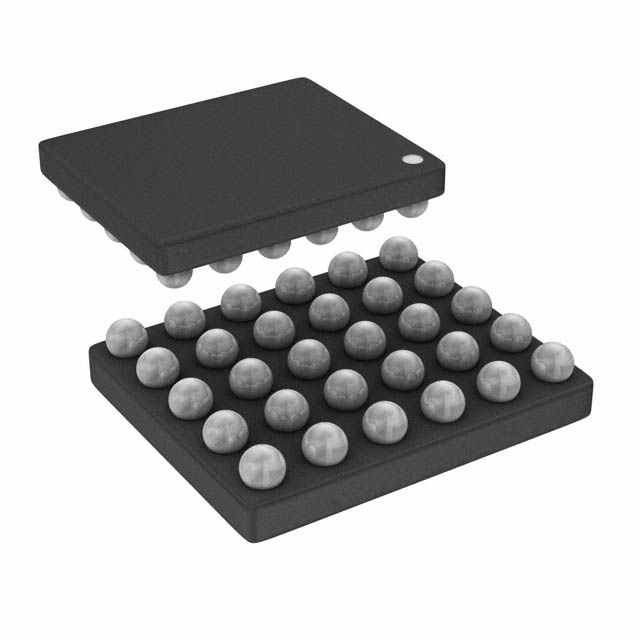
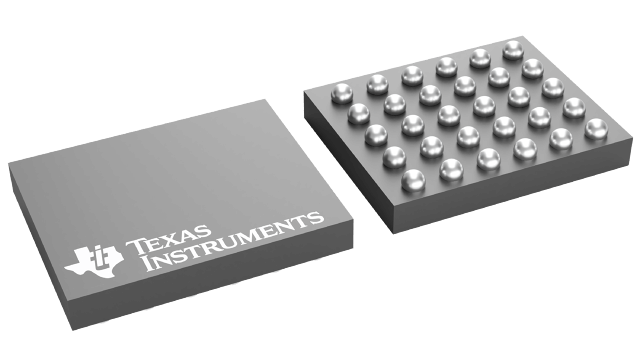
• Supports signal acquisition of up to 24 phasesFlexible allocation of 6 LED, 4 PD in each phaseSimultaneous signal acquisition from different sensors at different data ratesAccurate, continuous heart-rate monitoring:System SNR up to 108-dB at 16 µA PD currentLow current for continuous operation on a wearable device with a typical value: 15 µA for an LED, 20 µA for the receiverTransmitter:Supports common anode LED configuration8-Bit programmable LED current with range adjustable from 25 mA to 250 mAMode to fire two LEDs in parallel with independent per-phase current controlProgrammable LED on-time per-phaseSimultaneous support of 6 LEDs for SpO2, HRM, or multi-wavelength HRMReceiver:Supports 4 time-multiplexed photodiode inputs2 parallel receivers (two sets of TIA/filter)Individual ambient offset subtraction DAC at each TIA Input with 8-bit per-phase control and range adjustable up to 255-µAIndividual LED offset subtraction DAC at each TIA input with 5-bit per-phase control and 15.5-µA rangeClose to 100 dB ambient rejection up to 10 HzNoise filtering with programmable bandwidthTransimpedance Gain: 3.7 kΩ to 1 MΩSupports external clock and internal oscillator modesOption to acquire data synchronized with a system master clockAutomatic cancellation of DC from ambient, LEDFIFO with 128-sample depthI2C interface2.6-mm × 2.1-mm DSBGA, 0.4-mm pitchSupplies: Rx: 1.7 V-1.9 V (LDO bypass); 1.9 V-3.6 V (LDO enabled), Tx: 3 V-5.5 V, IO: 1.7-3.6 VSupports signal acquisition of up to 24 phasesFlexible allocation of 6 LED, 4 PD in each phaseSimultaneous signal acquisition from different sensors at different data ratesAccurate, continuous heart-rate monitoring:System SNR up to 108-dB at 16 µA PD currentLow current for continuous operation on a wearable device with a typical value: 15 µA for an LED, 20 µA for the receiverTransmitter:Supports common anode LED configuration8-Bit programmable LED current with range adjustable from 25 mA to 250 mAMode to fire two LEDs in parallel with independent per-phase current controlProgrammable LED on-time per-phaseSimultaneous support of 6 LEDs for SpO2, HRM, or multi-wavelength HRMReceiver:Supports 4 time-multiplexed photodiode inputs2 parallel receivers (two sets of TIA/filter)Individual ambient offset subtraction DAC at each TIA Input with 8-bit per-phase control and range adjustable up to 255-µAIndividual LED offset subtraction DAC at each TIA input with 5-bit per-phase control and 15.5-µA rangeClose to 100 dB ambient rejection up to 10 HzNoise filtering with programmable bandwidthTransimpedance Gain: 3.7 kΩ to 1 MΩSupports external clock and internal oscillator modesOption to acquire data synchronized with a system master clockAutomatic cancellation of DC from ambient, LEDFIFO with 128-sample depthI2C interface2.6-mm × 2.1-mm DSBGA, 0.4-mm pitchSupplies: Rx: 1.7 V-1.9 V (LDO bypass); 1.9 V-3.6 V (LDO enabled), Tx: 3 V-5.5 V, IO: 1.7-3.6 V
Description
AI
The AFE44I30 is an analog front-end for optical bio-sensing applications, such as heart-rate monitoring (HRM) and saturation of peripheral capillary oxygen (SpO2). The device supports up to six switching light-emitting diodes (LEDs) and up to four photodiodes. Up to 24 signal phases can be defined and the signal can be acquired from each phase in a synchronized manner. The current from the photodiode is converted into voltage by the transimpedance amplifier (TIA) and digitized using an analog-to-digital converter (ADC). The ADC code can be stored in a 128-sample First in, First out (FIFO) block. The FIFO can be read out using a I2C interface. The AFE also has a fully-integrated LED driver with an 8-bit current control. The device has a high dynamic range transmit-and-receive circuitry that helps with the sensing of very small signal levels.
The AFE44I30 is an analog front-end for optical bio-sensing applications, such as heart-rate monitoring (HRM) and saturation of peripheral capillary oxygen (SpO2). The device supports up to six switching light-emitting diodes (LEDs) and up to four photodiodes. Up to 24 signal phases can be defined and the signal can be acquired from each phase in a synchronized manner. The current from the photodiode is converted into voltage by the transimpedance amplifier (TIA) and digitized using an analog-to-digital converter (ADC). The ADC code can be stored in a 128-sample First in, First out (FIFO) block. The FIFO can be read out using a I2C interface. The AFE also has a fully-integrated LED driver with an 8-bit current control. The device has a high dynamic range transmit-and-receive circuitry that helps with the sensing of very small signal levels.