TXS02326A Series
Dual-Supply 2:1 SIM Card Multiplexer/Translator with Automatic Detect and slot dedicated dual LDO
Manufacturer: Texas Instruments
Catalog
Dual-Supply 2:1 SIM Card Multiplexer/Translator with Automatic Detect and slot dedicated dual LDO
Key Features
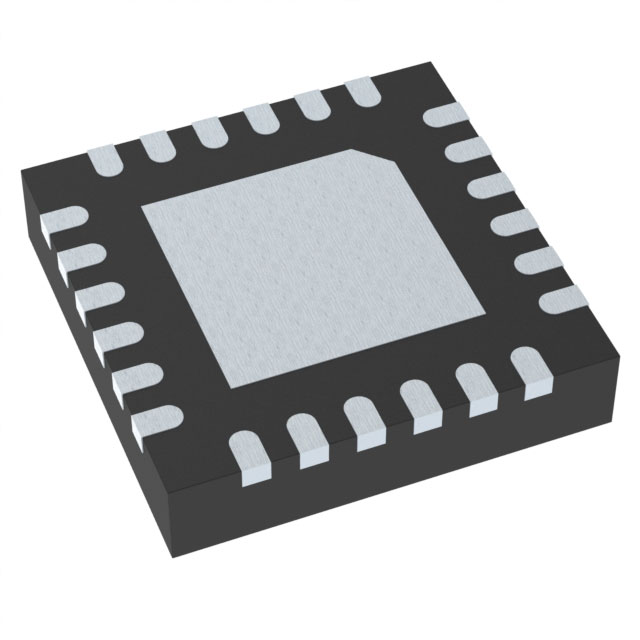
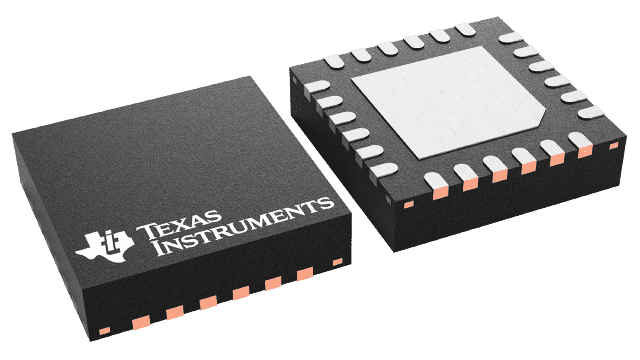
• Level TranslatorVDDIO Range of 1.7-V to 3.3-VLow-Dropout (LDO) Regulator50-mA LDO Regulator With Enable1.8-V or 2.95-V Selectable Output Voltage2.3-V to 5.5-V Input Voltage RangeVery Low Dropout: 100 mV (Max) at 50 mAControl and Communication Through I2C InterfaceWith Baseband ProcessorESD Protection Exceeds JESD 222500-V Human-Body Model (A114-B)6000-V Human-Body Model (A114-B) on VSIM1, SIM1CLK,SIM1I/O, SIM1RST, VSIM2, SIM2CLK, SIM2I/O, SIM2RST1000-V Charged-Device Model (C101)Package24-Pin QFN (4 mm × 4 mm)Level TranslatorVDDIO Range of 1.7-V to 3.3-VLow-Dropout (LDO) Regulator50-mA LDO Regulator With Enable1.8-V or 2.95-V Selectable Output Voltage2.3-V to 5.5-V Input Voltage RangeVery Low Dropout: 100 mV (Max) at 50 mAControl and Communication Through I2C InterfaceWith Baseband ProcessorESD Protection Exceeds JESD 222500-V Human-Body Model (A114-B)6000-V Human-Body Model (A114-B) on VSIM1, SIM1CLK,SIM1I/O, SIM1RST, VSIM2, SIM2CLK, SIM2I/O, SIM2RST1000-V Charged-Device Model (C101)Package24-Pin QFN (4 mm × 4 mm)
Description
AI
The TXS02326A is a complete dual-supply standby Smart Identity Module (SIM) card solution for interfacing wireless baseband processors with two individual SIM subscriber cards to store data for mobile handset applications. It is a custom device which is used to extend a single SIM/UICC interface to support two SIMs/UICCs.
The device complies with ISO/IEC Smart-Card Interface requirements as well as GSM and 3G mobile standards. It includes a high-speed level translator capable of supporting Class-B (2.95-V) and Class-C (1.8-V) interfaces; two low-dropout (LDO) voltage regulators with output voltages that are selectable between 2.95-V Class-B and 1.8-V Class-C interfaces; an integrated "fast-mode" 400 kb/s "slave" I2C control register interface, for configuration purposes; and a 32-kHz clock input, for internal timing generation. The TXS02326A also includes a shutdown input and a comparator input that detects battery pack removal to safely power-down the two SIM cards. The shutdown input and comparator input are equipped with two programmable debounce counter (i.e. BSI input and SDN input) circuits realized by an 8 bit counter.
The voltage-level translator has two supply voltage pins. VDDIO sets the reference for the baseband interface and can be operated from 1.7-V to 3.3-V. VSIM1 and VSIM2 are programmed to either 1.8-V or 2.95-V, each supplied by an independent internal LDO regulator. The integrated LDO accepts input battery voltages from 2.3-V to 5.5-V and outputs up to 50 mA to the B-side circuitry and external Class-B or Class-C SIM card.
The TXS02326A is a complete dual-supply standby Smart Identity Module (SIM) card solution for interfacing wireless baseband processors with two individual SIM subscriber cards to store data for mobile handset applications. It is a custom device which is used to extend a single SIM/UICC interface to support two SIMs/UICCs.
The device complies with ISO/IEC Smart-Card Interface requirements as well as GSM and 3G mobile standards. It includes a high-speed level translator capable of supporting Class-B (2.95-V) and Class-C (1.8-V) interfaces; two low-dropout (LDO) voltage regulators with output voltages that are selectable between 2.95-V Class-B and 1.8-V Class-C interfaces; an integrated "fast-mode" 400 kb/s "slave" I2C control register interface, for configuration purposes; and a 32-kHz clock input, for internal timing generation. The TXS02326A also includes a shutdown input and a comparator input that detects battery pack removal to safely power-down the two SIM cards. The shutdown input and comparator input are equipped with two programmable debounce counter (i.e. BSI input and SDN input) circuits realized by an 8 bit counter.
The voltage-level translator has two supply voltage pins. VDDIO sets the reference for the baseband interface and can be operated from 1.7-V to 3.3-V. VSIM1 and VSIM2 are programmed to either 1.8-V or 2.95-V, each supplied by an independent internal LDO regulator. The integrated LDO accepts input battery voltages from 2.3-V to 5.5-V and outputs up to 50 mA to the B-side circuitry and external Class-B or Class-C SIM card.