TCAN1042HGV-Q1 Series
Automotive 70-V bus-fault-protected CAN transceiver with I/O level shifting and flexible data-rate
Manufacturer: Texas Instruments
Catalog
Automotive 70-V bus-fault-protected CAN transceiver with I/O level shifting and flexible data-rate
Key Features
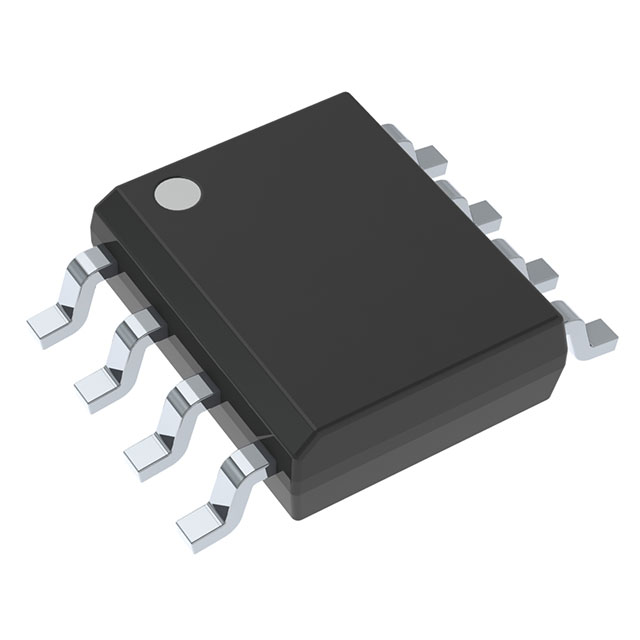
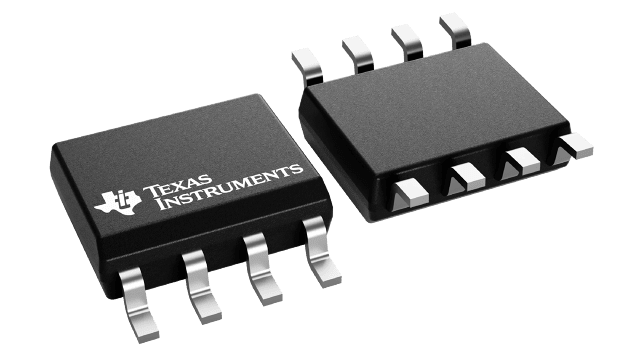
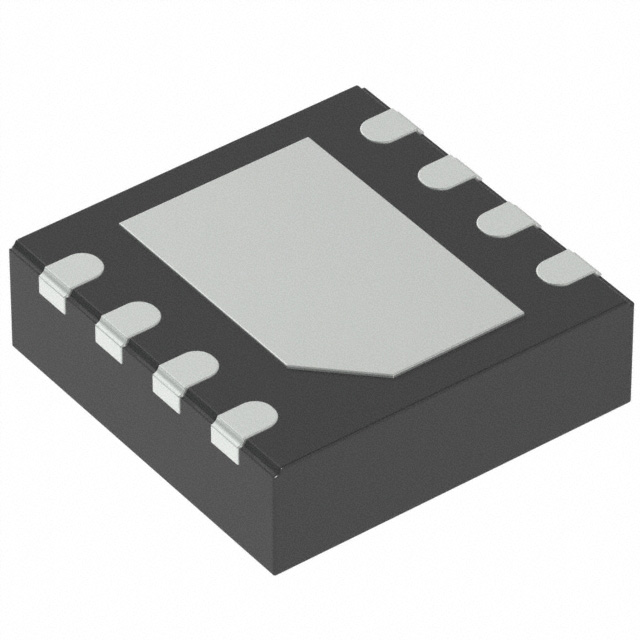
• AEC-Q100 (grade 1): Qualified for automotive applicationsMeets the ISO 11898-2:2016 and ISO 11898-5:2007 physical layer standardsFunctional Safety-CapableDocumentation available to aid functional safety system design’Turbo’ CAN:All devices support classic CAN and 2 Mbps CAN FD (flexible data rate) and "G" options support 5 MbpsShort and symmetrical propagation delay times and fast loop times for enhanced timing marginHigher data rates in loaded CAN networksEMC performance: supports SAE J2962-2 and IEC 62228-3 (up to 500 kbps) without common mode chokeI/O Voltage range supports 3.3 V and 5 V MCUsIdeal passive behavior when unpoweredBus and logic terminals are high impedance (no load)Power up/down with glitch free operation on bus and RXD outputProtection featuresIEC ESD protection up to ±15 kVBus Fault protection: ±58 V (non-H variants) and ±70 V (H variants)Undervoltage protection on VCCand VIO(V variants only) supply terminalsDriver dominant time out (TXD DTO) - Data rates down to 10 kbpsThermal shutdown protection (TSD)Receiver common mode input voltage: ±30 VTypical loop delay: 110 nsJunction temperatures from –55°C to 150°CAvailable in SOIC(8) package and leadless VSON (8) package (3.0 mm x 3.0 mm) with improved automated optical inspection (AOI) capabilityAEC-Q100 (grade 1): Qualified for automotive applicationsMeets the ISO 11898-2:2016 and ISO 11898-5:2007 physical layer standardsFunctional Safety-CapableDocumentation available to aid functional safety system design’Turbo’ CAN:All devices support classic CAN and 2 Mbps CAN FD (flexible data rate) and "G" options support 5 MbpsShort and symmetrical propagation delay times and fast loop times for enhanced timing marginHigher data rates in loaded CAN networksEMC performance: supports SAE J2962-2 and IEC 62228-3 (up to 500 kbps) without common mode chokeI/O Voltage range supports 3.3 V and 5 V MCUsIdeal passive behavior when unpoweredBus and logic terminals are high impedance (no load)Power up/down with glitch free operation on bus and RXD outputProtection featuresIEC ESD protection up to ±15 kVBus Fault protection: ±58 V (non-H variants) and ±70 V (H variants)Undervoltage protection on VCCand VIO(V variants only) supply terminalsDriver dominant time out (TXD DTO) - Data rates down to 10 kbpsThermal shutdown protection (TSD)Receiver common mode input voltage: ±30 VTypical loop delay: 110 nsJunction temperatures from –55°C to 150°CAvailable in SOIC(8) package and leadless VSON (8) package (3.0 mm x 3.0 mm) with improved automated optical inspection (AOI) capability
Description
AI
This CAN transceiver family meets the ISO11898-2 (2016) High Speed CAN (Controller Area Network) physical layer standard. All devices are designed for use in CAN FD networks up to 2 Mbps (megabits per second). Devices with part numbers that include the "G" suffix are designed for data rates up to 5 Mbps, and versions with the "V" have a secondary power supply input for I/O level shifting the input pin thresholds and RXD output level. This family has a low power standby mode with remote wake request feature. Additionally, all devices include many protection features to enhance device and network robustness.
This CAN transceiver family meets the ISO11898-2 (2016) High Speed CAN (Controller Area Network) physical layer standard. All devices are designed for use in CAN FD networks up to 2 Mbps (megabits per second). Devices with part numbers that include the "G" suffix are designed for data rates up to 5 Mbps, and versions with the "V" have a secondary power supply input for I/O level shifting the input pin thresholds and RXD output level. This family has a low power standby mode with remote wake request feature. Additionally, all devices include many protection features to enhance device and network robustness.