Catalog
8-channel ANT™ RF Network Processors
Key Features
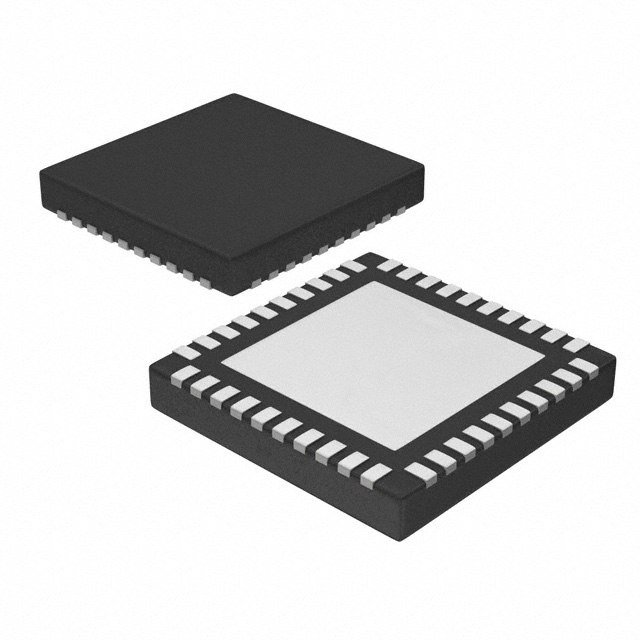
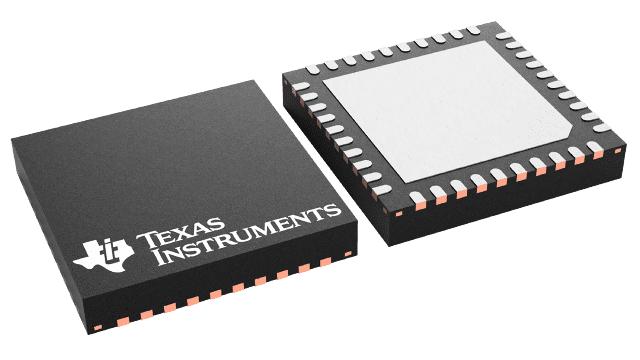
• RF SectionSingle-Chip 2.4-GHz Radio, Including Embedded ANT ProtocolExcellent Link Budget, Enabling Long Range Without External Front-EndsExcellent Output Power (4 dBm)Suitable for Systems Targeting Compliance With Worldwide Radio FrequencyRegulations: ETSI EN 300 328 and EN 300 440 Class 2 (Europe), FCC CFR47Part 15 (US), and ARIB STD-T66 (Japan)Accurate Full-Range RSSI Function, Especially Suited for Accurate Proximity PairingLayoutFew External ComponentsReference Designs Available40-Pin, 6-mm × 6-mm QFN PackageLow PowerPowered Down With Low-Power Times: 1 µAPowered Down Without Timer: 0.5 µAWide Supply Voltage Range (2 V–3.6 V)ANT Protocol SupportFully Compatible With the ANT and ANT+™ Protocols and Existing ANT DevicesBuilt-In ANT-FS™ SupportEasy Connection to Host MCU Through Asynchronous or Synchronous Serial InterfaceCC2570 Supports One ANT ChannelCC2571 Supports Eight ANT ChannelsSupport for Both Public, Private and Managed ANT NetworksSupport for High-Resolution Proximity PairingAPPLICATIONSSports and Fitness EquipmentHealth and Medical EquipmentConsumer Health DevicesConsumer ElectronicsANT, ANT-FS are trademarks of Dynastream Innovations Inc.RF SectionSingle-Chip 2.4-GHz Radio, Including Embedded ANT ProtocolExcellent Link Budget, Enabling Long Range Without External Front-EndsExcellent Output Power (4 dBm)Suitable for Systems Targeting Compliance With Worldwide Radio FrequencyRegulations: ETSI EN 300 328 and EN 300 440 Class 2 (Europe), FCC CFR47Part 15 (US), and ARIB STD-T66 (Japan)Accurate Full-Range RSSI Function, Especially Suited for Accurate Proximity PairingLayoutFew External ComponentsReference Designs Available40-Pin, 6-mm × 6-mm QFN PackageLow PowerPowered Down With Low-Power Times: 1 µAPowered Down Without Timer: 0.5 µAWide Supply Voltage Range (2 V–3.6 V)ANT Protocol SupportFully Compatible With the ANT and ANT+™ Protocols and Existing ANT DevicesBuilt-In ANT-FS™ SupportEasy Connection to Host MCU Through Asynchronous or Synchronous Serial InterfaceCC2570 Supports One ANT ChannelCC2571 Supports Eight ANT ChannelsSupport for Both Public, Private and Managed ANT NetworksSupport for High-Resolution Proximity PairingAPPLICATIONSSports and Fitness EquipmentHealth and Medical EquipmentConsumer Health DevicesConsumer ElectronicsANT, ANT-FS are trademarks of Dynastream Innovations Inc.
Description
AI
The CC2570 and CC2571 are ANT RF network processors that implement the easy-to-use, power-efficient ANT protocol. The CC2570 supports one ANT channel, whereas the CC2571 supports eight ANT channels. The CC2570/71 can be connected to a host MCU (such as an MSP430) through a UART or SPI serial interface and accessed through a set of API calls. The majority of the ANT protocol is built into the CC2570/71, including the ANT-FS file system functionality; only the application and profile layers must reside on the host MCU, thus keeping host MCU memory requirements to a minimum.
The ANT protocol has been designed to be very power-efficient, yet is flexible enough to support various network topologies (point-to-point, star, connected star, 1-to-N, and N-to-1) and data transfer modes (broadcast, acknowledged, burst data transfer). Each logical ANT channel can be independently configured for one-way or two-way operation, depending on requirements of the application.
The CC2570 and CC2571 are ANT RF network processors that implement the easy-to-use, power-efficient ANT protocol. The CC2570 supports one ANT channel, whereas the CC2571 supports eight ANT channels. The CC2570/71 can be connected to a host MCU (such as an MSP430) through a UART or SPI serial interface and accessed through a set of API calls. The majority of the ANT protocol is built into the CC2570/71, including the ANT-FS file system functionality; only the application and profile layers must reside on the host MCU, thus keeping host MCU memory requirements to a minimum.
The ANT protocol has been designed to be very power-efficient, yet is flexible enough to support various network topologies (point-to-point, star, connected star, 1-to-N, and N-to-1) and data transfer modes (broadcast, acknowledged, burst data transfer). Each logical ANT channel can be independently configured for one-way or two-way operation, depending on requirements of the application.