


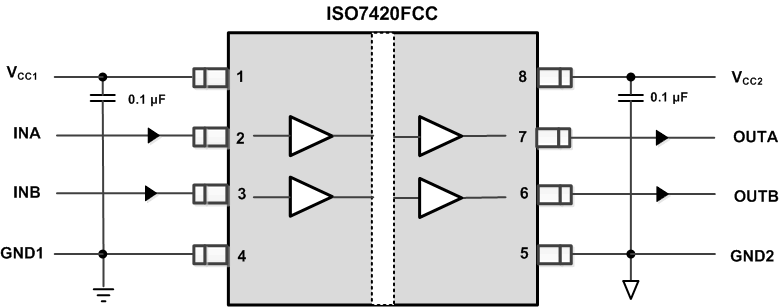
ISO7420FCC Series
Dual-channel, 2/0, 1-Mbps digital isolator with wide temperature range
Manufacturer: Texas Instruments
Catalog
Dual-channel, 2/0, 1-Mbps digital isolator with wide temperature range
| Part | Rise / Fall Time (Typ) [custom] | Rise / Fall Time (Typ) [custom] | Channel Type | Common Mode Transient Immunity (Min) [Min] | Isolated Power | Inputs - Side 1/Side 2 [custom] | Inputs - Side 1/Side 2 [custom] | Number of Channels [custom] | Pulse Width Distortion (Max) [Max] | Voltage - Supply [Min] | Voltage - Supply [Max] | Supplier Device Package | Type | Propagation Delay tpLH / tpHL (Max) [Max] [x] | Propagation Delay tpLH / tpHL (Max) [Max] [y] | Technology | Voltage - Isolation | Data Rate | Operating Temperature [Max] | Operating Temperature [Min] | Package / Case | Package / Case [y] | Package / Case [x] | Mounting Type | Propagation Delay tpLH / tpHL (Max) [Max] [custom] | Propagation Delay tpLH / tpHL (Max) [Max] [custom] | Pulse Width Distortion (Max) |
|---|---|---|---|---|---|---|---|---|---|---|---|---|---|---|---|---|---|---|---|---|---|---|---|---|---|---|---|
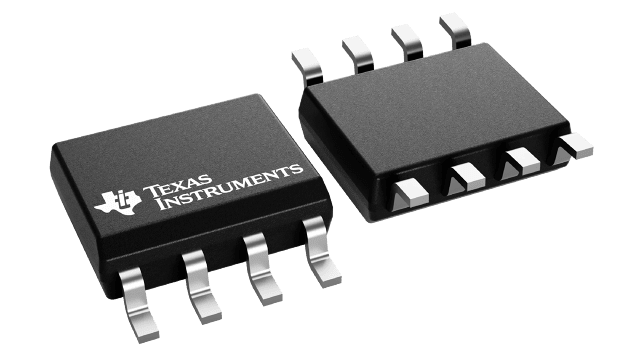 Texas Instruments | 1 ns | 1 ns | Unidirectional | 25 kV/µs | 2 | 0 | 2 | 3.7 ns | 3.15 V 4.75 V | 3.45 V 5.25 V | 8-SOIC | General Purpose | 14 ns | 14 ns | Capacitive Coupling | 2500 Vrms | 1 Mbps | 125 °C | -40 °C | 8-SOIC | 3.9 mm | 0.154 in | Surface Mount | ||||
Texas Instruments | 2.5 ns | 2.5 ns | Unidirectional | 25 kV/µs | 2 | 0 | 2 | 2.7 V | 5.5 V | 8-SOIC | General Purpose | Capacitive Coupling | 2500 Vrms | 50 Mbps | 125 °C | -40 °C | 8-SOIC | 3.9 mm | 0.154 in | Surface Mount | 37 ns | 37 ns | 5 ns | ||||
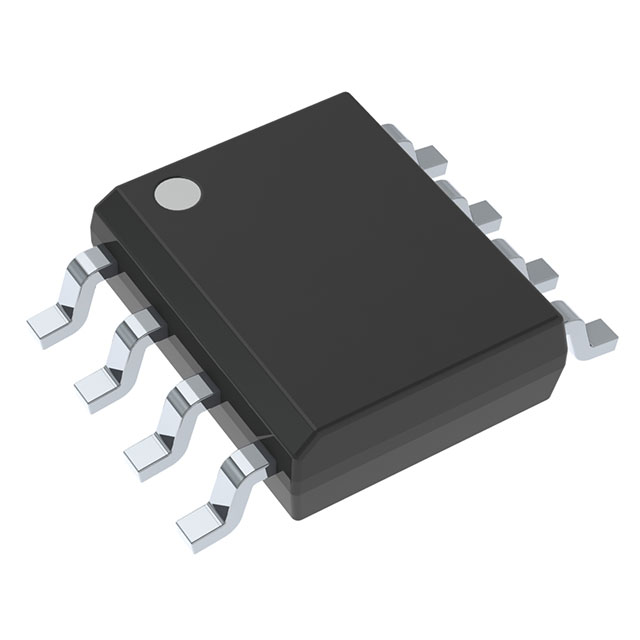 Texas Instruments | 2.5 ns | 2.5 ns | Unidirectional | 25 kV/µs | 2 | 0 | 2 | 2.7 V | 5.5 V | 8-SOIC | General Purpose | Capacitive Coupling | 2500 Vrms | 50 Mbps | 125 °C | -40 °C | 8-SOIC | 3.9 mm | 0.154 in | Surface Mount | 37 ns | 37 ns | 5 ns | ||||
Texas Instruments | 1.8 ns | 1.7 ns | Unidirectional | 25 kV/µs | 2 | 0 | 2 | 3 ns | 3 V | 5.5 V | 8-SOIC | General Purpose | Capacitive Coupling | 2500 Vrms | 50 Mbps | 125 °C | -40 °C | 8-SOIC | 3.9 mm | 0.154 in | Surface Mount | 11 ns | 11 ns | ||||
 Texas Instruments | 1 ns | 1 ns | Unidirectional | 25 kV/µs | 2 | 0 | 2 | 3.7 ns | 3.15 V 4.75 V | 3.45 V 5.25 V | 8-SOIC | General Purpose | 14 ns | 14 ns | Capacitive Coupling | 2500 Vrms | 1 Mbps | 125 °C | -40 °C | 8-SOIC | 3.9 mm | 0.154 in | Surface Mount | ||||
Texas Instruments | 1.8 ns | 1.7 ns | Unidirectional | 25 kV/µs | 2 | 0 | 2 | 3 ns | 3 V | 5.5 V | 8-SOIC | General Purpose | Capacitive Coupling | 2500 Vrms | 50 Mbps | 125 °C | -40 °C | 8-SOIC | 3.9 mm | 0.154 in | Surface Mount | 11 ns | 11 ns | ||||
Texas Instruments | 1 ns | 1 ns | Unidirectional | 25 kV/µs | 2 | 0 | 2 | 3.7 ns | 3.15 V 4.75 V | 3.45 V 5.25 V | 8-SOIC | General Purpose | 14 ns | 14 ns | Capacitive Coupling | 2500 Vrms | 1 Mbps | 105 ░C | -40 °C | 8-SOIC | 3.9 mm | 0.154 in | Surface Mount |
Key Features
• Signaling Rate: 50 Mbps (5-V Supplies)Output is Low in Default ModeIntegrated Noise Filter on the Input PinsLow Power Consumption: Typical ICCper Channel1.8 mA at 1 Mbps, 3.9 mA at 25 Mbps (5-V Supplies)1.4 mA at 1 Mbps, 2.6 mA at 25 Mbps (3.3-V Supplies)Low Propagation Delay: 20 ns Typical (5-V Supplies)Channel-to-Channel Output Skew: 2 ns Maximum3.3-V and 5-V Level TranslationWide TARange Specified: –40°C to 125°C60-KV/μs Transient Immunity, Typical (5-V Supplies)Low EmissionsIsolation Barrier Life: > 25 YearsOperates from 2.7-V to 5.5-V Supply LevelsNarrow Body SOIC-8 PackageSafety and Regulatory Approvals4242 VPKIsolation per DIN V VDE V 0884-10 (VDE V0884-10):2006-122.5 KVRMSIsolation for 1 Minute per UL 1577CSA Component Acceptance Notice 5A, IEC 60950-1 and IEC 61010-1 End Equipment StandardsGB4943.1-2011 CQC CertificationAll trademarks are the property of their respective owners.Signaling Rate: 50 Mbps (5-V Supplies)Output is Low in Default ModeIntegrated Noise Filter on the Input PinsLow Power Consumption: Typical ICCper Channel1.8 mA at 1 Mbps, 3.9 mA at 25 Mbps (5-V Supplies)1.4 mA at 1 Mbps, 2.6 mA at 25 Mbps (3.3-V Supplies)Low Propagation Delay: 20 ns Typical (5-V Supplies)Channel-to-Channel Output Skew: 2 ns Maximum3.3-V and 5-V Level TranslationWide TARange Specified: –40°C to 125°C60-KV/μs Transient Immunity, Typical (5-V Supplies)Low EmissionsIsolation Barrier Life: > 25 YearsOperates from 2.7-V to 5.5-V Supply LevelsNarrow Body SOIC-8 PackageSafety and Regulatory Approvals4242 VPKIsolation per DIN V VDE V 0884-10 (VDE V0884-10):2006-122.5 KVRMSIsolation for 1 Minute per UL 1577CSA Component Acceptance Notice 5A, IEC 60950-1 and IEC 61010-1 End Equipment StandardsGB4943.1-2011 CQC CertificationAll trademarks are the property of their respective owners.
Description
AI
The ISO7420, ISO7420M and ISO7421 provide galvanic isolation up to 2500 VRMSfor 1 minute per UL. These digital isolators have two isolated channels. Each isolation channel has a logic input and output buffer separated by a silicon dioxide (SiO2) insulation barrier. Used in conjunction with isolated power supplies, these devices prevent noise currents on a data bus or other circuit from entering the local ground and interfering with or damaging sensitive circuitry. The suffix M indicates wide temperature range (–40°C to 125°C).
These devices have TTL input thresholds and require two supply voltages, 3.3 or 5 V, or any combination. All inputs are 5-V tolerant when supplied from a 3.3-V supply.
Note: The ISO7420 and ISO7421 are specified for signaling rates up to 1 Mbps. Due to their fast response time, under most cases, these devices will also transmit data with much shorter pulse widths. Designers should add external filtering to remove spurious signals with input pulse duration <20 ns if desired.
The ISO7420, ISO7420M and ISO7421 provide galvanic isolation up to 2500 VRMSfor 1 minute per UL. These digital isolators have two isolated channels. Each isolation channel has a logic input and output buffer separated by a silicon dioxide (SiO2) insulation barrier. Used in conjunction with isolated power supplies, these devices prevent noise currents on a data bus or other circuit from entering the local ground and interfering with or damaging sensitive circuitry. The suffix M indicates wide temperature range (–40°C to 125°C).
These devices have TTL input thresholds and require two supply voltages, 3.3 or 5 V, or any combination. All inputs are 5-V tolerant when supplied from a 3.3-V supply.
Note: The ISO7420 and ISO7421 are specified for signaling rates up to 1 Mbps. Due to their fast response time, under most cases, these devices will also transmit data with much shorter pulse widths. Designers should add external filtering to remove spurious signals with input pulse duration <20 ns if desired.