ADS1259-Q1 Series
Automotive, 24-bit, 14.4kSPS, 1-ch delta-sigma ADC w/ low-drift Vref for high-dynamic range systems
Manufacturer: Texas Instruments
Catalog
Automotive, 24-bit, 14.4kSPS, 1-ch delta-sigma ADC w/ low-drift Vref for high-dynamic range systems
Key Features
• Qualified for Automotive ApplicationsAEC-Q100 Qualified with the Following Results:Temperature Grade 1: –40°C to 125°CHBM ESD Classification 2CDM ESD Classification C4BProgrammable Data Rates: 10 SPS to 14.4 kSPSSingle-Cycle Settling Digital FilterHigh Performance:21.3 ENOB at 1.2 kSPSINL: 3 ppmOffset Drift: 0.05 µV/°CGain Drift: 0.5 ppm/°CInternal Reference: 2.5 V, 10 ppm/°C DriftInternal 2% Accurate OscillatorInput Signal Out-of-Range DetectionOptional Checksum and Redundant Data-Read Capabilityto Augment Data IntegritySPI-Compatible Interface, Mode 1Analog Supply: 5 V or ±2.5 VDigital Supply: 2.7 V to 5 VQualified for Automotive ApplicationsAEC-Q100 Qualified with the Following Results:Temperature Grade 1: –40°C to 125°CHBM ESD Classification 2CDM ESD Classification C4BProgrammable Data Rates: 10 SPS to 14.4 kSPSSingle-Cycle Settling Digital FilterHigh Performance:21.3 ENOB at 1.2 kSPSINL: 3 ppmOffset Drift: 0.05 µV/°CGain Drift: 0.5 ppm/°CInternal Reference: 2.5 V, 10 ppm/°C DriftInternal 2% Accurate OscillatorInput Signal Out-of-Range DetectionOptional Checksum and Redundant Data-Read Capabilityto Augment Data IntegritySPI-Compatible Interface, Mode 1Analog Supply: 5 V or ±2.5 VDigital Supply: 2.7 V to 5 V
Description
AI
The ADS1259 is a high-linearity, low-drift, 24-bit, analog-to-digital converter (ADC) designed for the needs of industrial process control, precision instrumentation, and other exacting applications. Combined with a signal amplifier (such as the PGA280), a high-resolution, high-accuracy measurement system is formed that is capable of digitizing a wide range of signals.
The converter uses a fourth-order, inherently stable, delta-sigma (ΔΣ) modulator that provides outstanding noise and linearity performance. The data rates are programmable up to 14kSPS including 10SPS, 50SPS, and 60SPS that provide excellent normal mode line-cycle rejection. The digital filter can be programmed for a fast settling mode where the conversions settle in a single cycle, or programmed for a high line-cycle rejection mode. A fast responding input over-range detector flags the conversion data if an input over-range should occur.
The ADS1259 also provides an integrated low-noise, very low drift 2.5V reference. The on-chip oscillator, an external crystal, or an external clock can by used as the ADC clock source.
Data and control communication are handled over a 4MHz, SPI-compatible interface capable of operating with a minimum of three wires. Data integrity is augmented by data bytes checksum and redundant data read capability. Conversions are synchronized either by command or by pin.
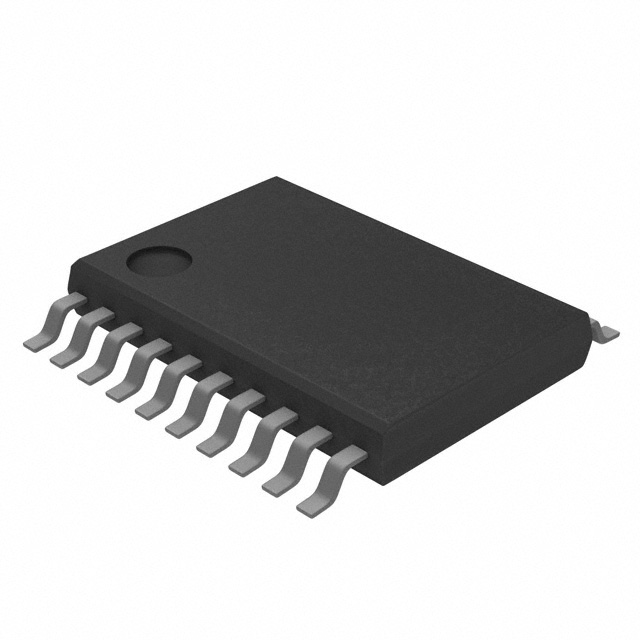
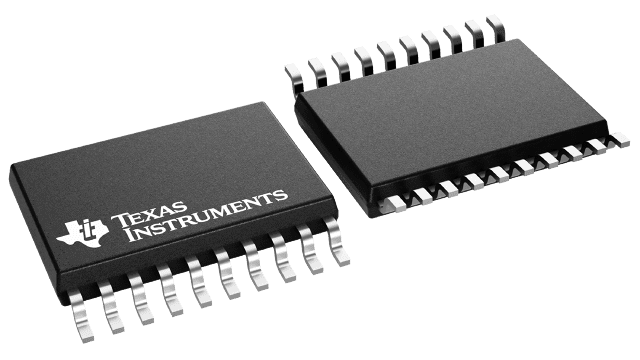
Dissipating only 13mW in operation, the ADS1259 can be powered down, dissipating less than 25µW. The ADS1259 is offered in a TSSOP-20 package and is fully specified from –40°C to +105°C.
The ADS1259 is a high-linearity, low-drift, 24-bit, analog-to-digital converter (ADC) designed for the needs of industrial process control, precision instrumentation, and other exacting applications. Combined with a signal amplifier (such as the PGA280), a high-resolution, high-accuracy measurement system is formed that is capable of digitizing a wide range of signals.
The converter uses a fourth-order, inherently stable, delta-sigma (ΔΣ) modulator that provides outstanding noise and linearity performance. The data rates are programmable up to 14kSPS including 10SPS, 50SPS, and 60SPS that provide excellent normal mode line-cycle rejection. The digital filter can be programmed for a fast settling mode where the conversions settle in a single cycle, or programmed for a high line-cycle rejection mode. A fast responding input over-range detector flags the conversion data if an input over-range should occur.
The ADS1259 also provides an integrated low-noise, very low drift 2.5V reference. The on-chip oscillator, an external crystal, or an external clock can by used as the ADC clock source.
Data and control communication are handled over a 4MHz, SPI-compatible interface capable of operating with a minimum of three wires. Data integrity is augmented by data bytes checksum and redundant data read capability. Conversions are synchronized either by command or by pin.
Dissipating only 13mW in operation, the ADS1259 can be powered down, dissipating less than 25µW. The ADS1259 is offered in a TSSOP-20 package and is fully specified from –40°C to +105°C.