Zenode.ai Logo
Beta
TPS62090-Q1

TPS62090-Q1 Series

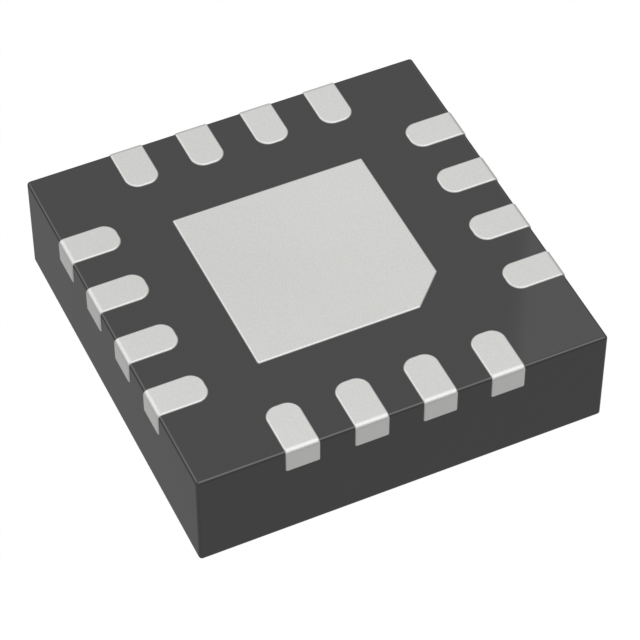
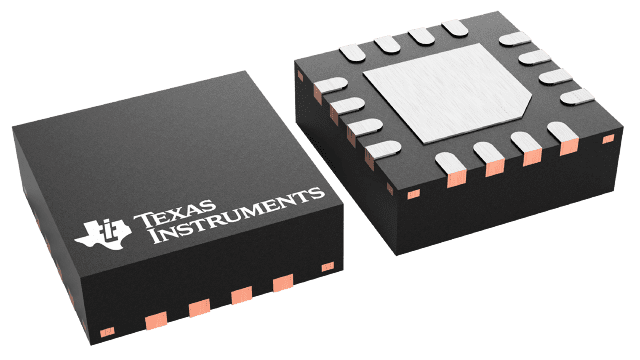
Automotive: 3A, 2.5 to 6V input, up to 97% efficiency, 3x3 QFN, Step-Down Converter

Manufacturer: Texas Instruments

Catalog

Automotive: 3A, 2.5 to 6V input, up to 97% efficiency, 3x3 QFN, Step-Down Converter

Key Features

Qualified for automotive applicationsAEC-Q100 qualified with the following results:Device temperature grade 1: –40°C to 125°C junction operating temperature rangeDevice HBM ESD classification level H2Device CDM ESD classification level C62.5-V to 6-V input voltage rangeDCS-Control™95% converter efficiencyPower save mode20-µA operating quiescent current100% duty cycle for lowest dropout2.8-MHz and 1.4-MHz typical switching frequency0.8-V to VINadjustable output voltageOutput discharge functionAdjustable soft startHiccup short-circuit protectionOutput voltage trackingWide output capacitance selectionAvailable in 3-mm × 3-mm 16-pin QFN packageNew product available:TPS62813-Q1, 6-V step-down converter in 2-mm × 3-mm QFN package with wettable flanksQualified for automotive applicationsAEC-Q100 qualified with the following results:Device temperature grade 1: –40°C to 125°C junction operating temperature rangeDevice HBM ESD classification level H2Device CDM ESD classification level C62.5-V to 6-V input voltage rangeDCS-Control™95% converter efficiencyPower save mode20-µA operating quiescent current100% duty cycle for lowest dropout2.8-MHz and 1.4-MHz typical switching frequency0.8-V to VINadjustable output voltageOutput discharge functionAdjustable soft startHiccup short-circuit protectionOutput voltage trackingWide output capacitance selectionAvailable in 3-mm × 3-mm 16-pin QFN packageNew product available:TPS62813-Q1, 6-V step-down converter in 2-mm × 3-mm QFN package with wettable flanks

Description

AI
The TPS62090Q devices are a family of high-frequency, synchronous, step-down converters optimized for small solution size, high efficiency, and are suitable for battery-powered applications. To maximize efficiency, the converters operate in pulse width modulation (PWM) mode with a nominal switching frequency of 2.8 MHz to 1.4 MHz and automatically enter power save mode operation at light load currents. When used in distributed power supplies and point-of-load regulation, the devices allow voltage tracking to other voltage rails and tolerate output capacitors ranging from 10 µF up to 150 µF and beyond. Using the DCS-Control™ topology, the devices achieve excellent load transient performance and accurate output voltage regulation. The output voltage start-up ramp is controlled by the SS pin, which allows operation as either a standalone power supply or in tracking configurations. Power sequencing is also possible by configuring the enable and power good pins. In power save mode, the devices operate at typically 20-µA quiescent current. Power save mode is entered automatically and seamlessly maintaining high efficiency over the entire load current range. The TPS62090Q devices are a family of high-frequency, synchronous, step-down converters optimized for small solution size, high efficiency, and are suitable for battery-powered applications. To maximize efficiency, the converters operate in pulse width modulation (PWM) mode with a nominal switching frequency of 2.8 MHz to 1.4 MHz and automatically enter power save mode operation at light load currents. When used in distributed power supplies and point-of-load regulation, the devices allow voltage tracking to other voltage rails and tolerate output capacitors ranging from 10 µF up to 150 µF and beyond. Using the DCS-Control™ topology, the devices achieve excellent load transient performance and accurate output voltage regulation. The output voltage start-up ramp is controlled by the SS pin, which allows operation as either a standalone power supply or in tracking configurations. Power sequencing is also possible by configuring the enable and power good pins. In power save mode, the devices operate at typically 20-µA quiescent current. Power save mode is entered automatically and seamlessly maintaining high efficiency over the entire load current range.