Catalog
16-Bit Bus Transceivers With 3-State Outputs
Key Features
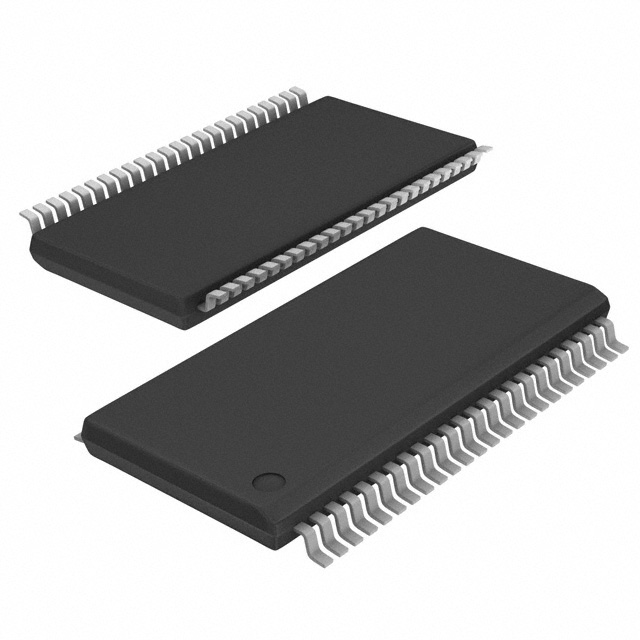
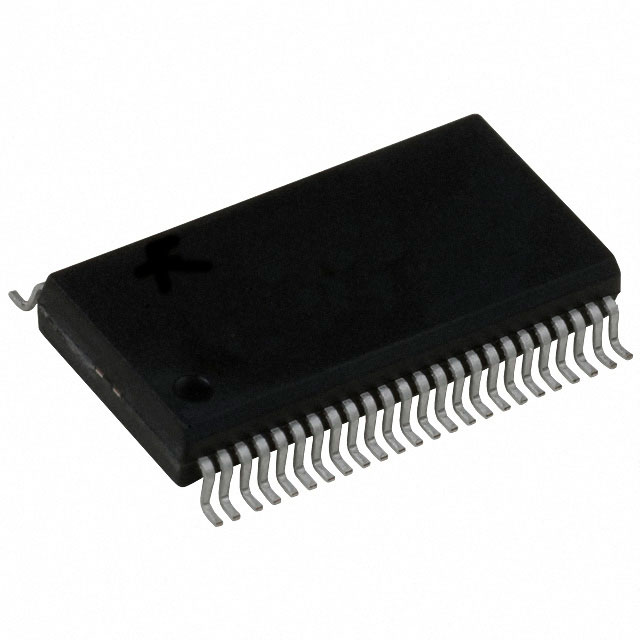
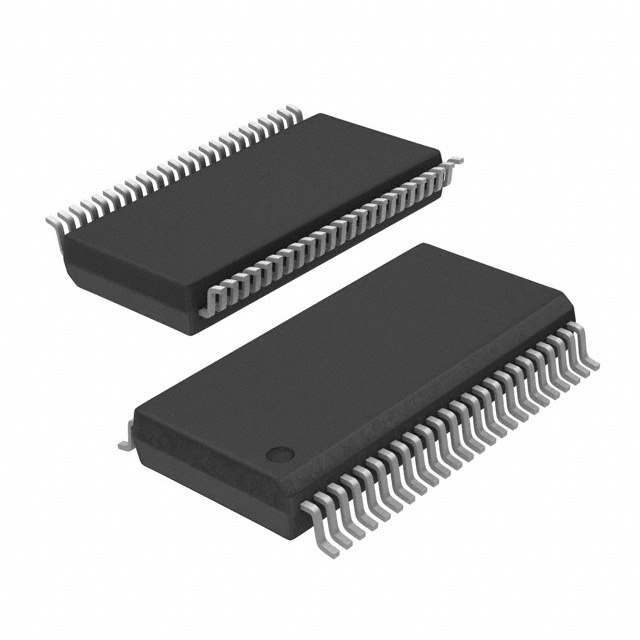
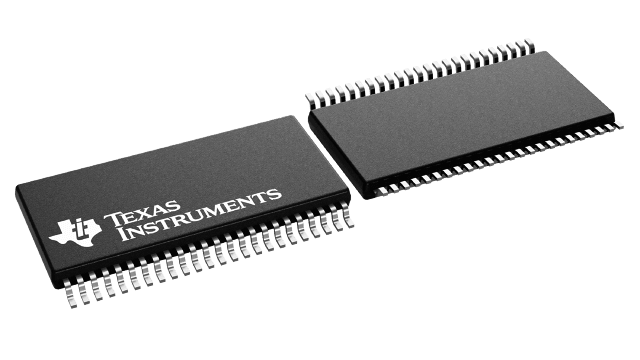
• Members of the Texas InstrumentsWidebusTMFamilyA-Port Outputs Have Equivalent 25-Series Resistors, So No External Resistors Are RequiredState-of-the-ArtEPIC-IIBTMBiCMOS Design Significantly Reduces Power DissipationTypical VOLP(Output Ground Bounce) < 1 V at VCC= 5 V, TA= 25°CDistributed VCCand GND Pin Configuration Minimizes High-Speed Switching NoiseFlow-Through Architecture Optimizes PCB LayoutBus Hold on Data Inputs Eliminates the Need for External Pullup/Pulldown ResistorsLatch-Up Performance Exceeds 500 mA Per JESD 17ESD Protection Exceeds 2000 V Per MIL-STD-833, Method 3015; Exceeds 200 V Using Machine Model (C = 200 pF, R = 0)Package Options Include Plastic Thin Shrink Small-Outline (DGG), Thin Very Small-Outline (DGV), and Shrink Small-Outline (DL) Packages and 380-mil Fine-Pitch Ceramic Flat (WD) Package Using 25-mil Center-to-Center SpacingsWidebus and EPIC-IIB are trademarks of Texas Instruments Incorporated.Members of the Texas InstrumentsWidebusTMFamilyA-Port Outputs Have Equivalent 25-Series Resistors, So No External Resistors Are RequiredState-of-the-ArtEPIC-IIBTMBiCMOS Design Significantly Reduces Power DissipationTypical VOLP(Output Ground Bounce) < 1 V at VCC= 5 V, TA= 25°CDistributed VCCand GND Pin Configuration Minimizes High-Speed Switching NoiseFlow-Through Architecture Optimizes PCB LayoutBus Hold on Data Inputs Eliminates the Need for External Pullup/Pulldown ResistorsLatch-Up Performance Exceeds 500 mA Per JESD 17ESD Protection Exceeds 2000 V Per MIL-STD-833, Method 3015; Exceeds 200 V Using Machine Model (C = 200 pF, R = 0)Package Options Include Plastic Thin Shrink Small-Outline (DGG), Thin Very Small-Outline (DGV), and Shrink Small-Outline (DL) Packages and 380-mil Fine-Pitch Ceramic Flat (WD) Package Using 25-mil Center-to-Center SpacingsWidebus and EPIC-IIB are trademarks of Texas Instruments Incorporated.
Description
AI
The 'ABTH162245 devices are 16-bit noninverting 3-state transceivers designed for synchronous two-way communication between data buses. The control-function implementation minimizes external timing requirements.
These devices can be used as two 8-bit transceivers or one 16-bit transceiver. They allow data transmission from the A bus to the B bus or from the B bus to the A bus, depending on the logic level at the direction-control (DIR) input. The output-enable (OE\) input can be used to disable the device so that the buses are effectively isolated.
The A-port outputs, which are designed to source or sink up to 12 mA, include equivalent 25-series resistors to reduce overshoot and undershoot.
Active bus-hold circuitry is provided to hold unused or floating data inputs at a valid logic level.
To ensure the high-impedance state during power up or power down, OE\ should be tied to VCCthrough a pullup resistor; the minimum value of the resistor is determined by the current-sinking capability of the driver.
The SN54ABTH162245 is characterized for operation over the full military temperature range of -55°C to 125°C. The SN74ABTH162245 is characterized for operation from -40°C to 85°C.
The 'ABTH162245 devices are 16-bit noninverting 3-state transceivers designed for synchronous two-way communication between data buses. The control-function implementation minimizes external timing requirements.
These devices can be used as two 8-bit transceivers or one 16-bit transceiver. They allow data transmission from the A bus to the B bus or from the B bus to the A bus, depending on the logic level at the direction-control (DIR) input. The output-enable (OE\) input can be used to disable the device so that the buses are effectively isolated.
The A-port outputs, which are designed to source or sink up to 12 mA, include equivalent 25-series resistors to reduce overshoot and undershoot.
Active bus-hold circuitry is provided to hold unused or floating data inputs at a valid logic level.
To ensure the high-impedance state during power up or power down, OE\ should be tied to VCCthrough a pullup resistor; the minimum value of the resistor is determined by the current-sinking capability of the driver.
The SN54ABTH162245 is characterized for operation over the full military temperature range of -55°C to 125°C. The SN74ABTH162245 is characterized for operation from -40°C to 85°C.