LM34966-Q1 Series
500-kHz wide VIN nonsynchronous boost, flyback, & SEPIC controller
Manufacturer: Texas Instruments
Catalog
500-kHz wide VIN nonsynchronous boost, flyback, & SEPIC controller
Key Features
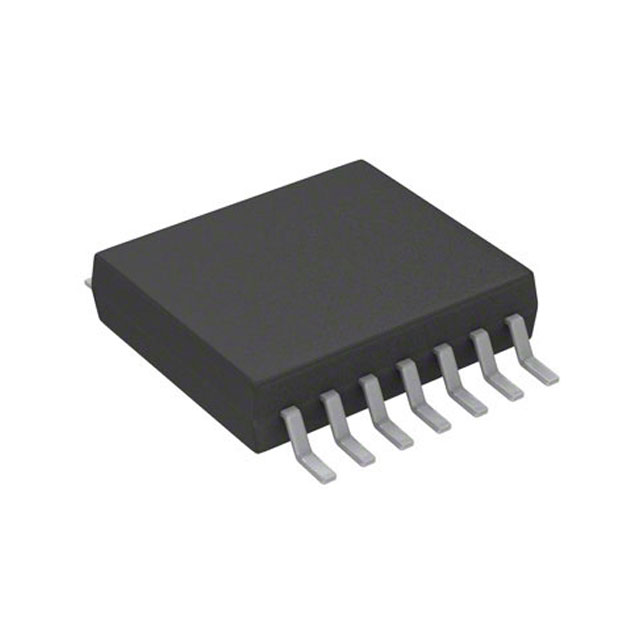
• AEC-Q100 qualified for automotive applicationsTemperature grade 1: –40°C to +125°C TAMaximum operating temperature 150°C TJFunctional Safety-CapableDocumentation available to aid functional safety system designSuited for wide input operating range car battery applications3.5-V to 40-V operating range (45-V abs max)2.97-V to 16-V when BIAS = VCCMinimum boost supply voltage 1.5 V when BIAS ≥ 3.5 VInput transient protection up to 45 VMinimized battery drainLow shutdown current ( IQ≤ 2.6 µA )Low operating current ( IQ≤ 490 µA )Small solution size and low costIntegrated error amplifier allows primary-side regulation without optocoupler (flyback)Minimized undershoot during cranking (start-stop application)Higher efficiency with low-power dissipation100-mV ±7% accurate current limit thresholdStrong 1.0-A peak standard MOSFET driverSupports external VCC supplyAvoid AM band interference and crosstalkOptional clock synchronizationDynamically programmable switching frequency from 100 kHz to 500 kHzIntegrated protection featuresConstant peak current limiting over input voltageHiccup mode overload protectionProgrammable line UVLOOVP protectionThermal shutdownAccurate ±1% accuracy feedback referenceProgrammable extra slope compensationAdjustable soft startPGOOD indicator14-Pin HTSSOP package (5.0 mm × 4.4 mm)Create a custom design using the LM34966-Q1 with theWEBENCH power designerAEC-Q100 qualified for automotive applicationsTemperature grade 1: –40°C to +125°C TAMaximum operating temperature 150°C TJFunctional Safety-CapableDocumentation available to aid functional safety system designSuited for wide input operating range car battery applications3.5-V to 40-V operating range (45-V abs max)2.97-V to 16-V when BIAS = VCCMinimum boost supply voltage 1.5 V when BIAS ≥ 3.5 VInput transient protection up to 45 VMinimized battery drainLow shutdown current ( IQ≤ 2.6 µA )Low operating current ( IQ≤ 490 µA )Small solution size and low costIntegrated error amplifier allows primary-side regulation without optocoupler (flyback)Minimized undershoot during cranking (start-stop application)Higher efficiency with low-power dissipation100-mV ±7% accurate current limit thresholdStrong 1.0-A peak standard MOSFET driverSupports external VCC supplyAvoid AM band interference and crosstalkOptional clock synchronizationDynamically programmable switching frequency from 100 kHz to 500 kHzIntegrated protection featuresConstant peak current limiting over input voltageHiccup mode overload protectionProgrammable line UVLOOVP protectionThermal shutdownAccurate ±1% accuracy feedback referenceProgrammable extra slope compensationAdjustable soft startPGOOD indicator14-Pin HTSSOP package (5.0 mm × 4.4 mm)Create a custom design using the LM34966-Q1 with theWEBENCH power designer
Description
AI
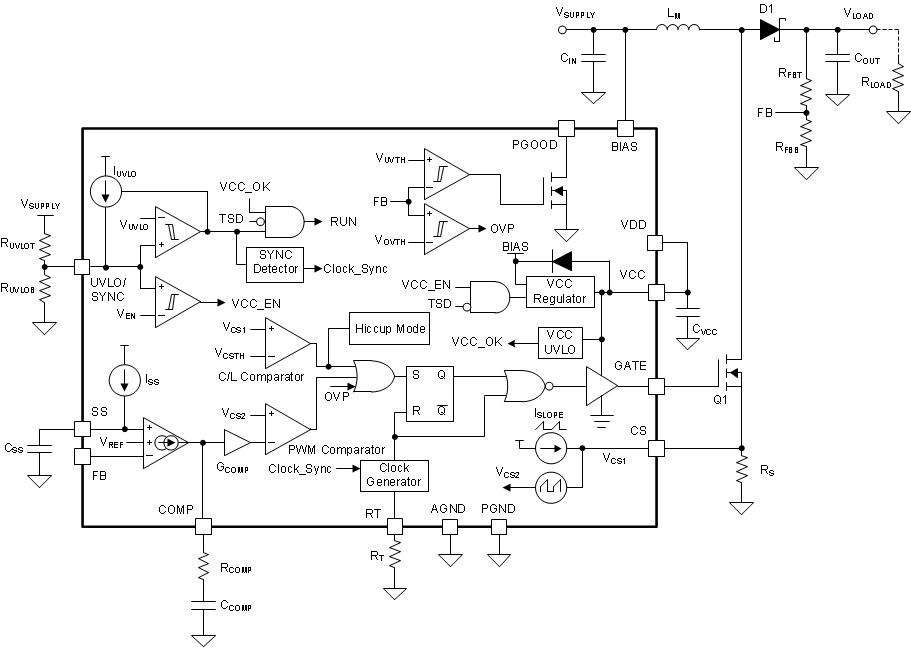
The LM34966-Q1 is a wide input range, non-synchronous boost controller that uses peak current mode control. The device can be used in boost, SEPIC, and flyback topologies. The device can start up from a 1-cell battery with a minimum of 2.97 V if the BIAS pin is connected to the VCC pin. It can operate with the input supply voltage as low as 1.5 V if the BIAS pin is greater than 3.5 V. The internal VCC regulator also supports BIAS pin operation up to 40 V (45-V absolute maximum) for automotive load dump. The switching frequency is dynamically programmable with an external resistor from 100 kHz to 500 kHz.
The LM34966-Q1 is a wide input range, non-synchronous boost controller that uses peak current mode control. The device can be used in boost, SEPIC, and flyback topologies. The device can start up from a 1-cell battery with a minimum of 2.97 V if the BIAS pin is connected to the VCC pin. It can operate with the input supply voltage as low as 1.5 V if the BIAS pin is greater than 3.5 V. The internal VCC regulator also supports BIAS pin operation up to 40 V (45-V absolute maximum) for automotive load dump. The switching frequency is dynamically programmable with an external resistor from 100 kHz to 500 kHz.