


Beta
Schmidt-Kupplung GmbH is a German manufacturer of precision shaft couplings, specializing in compact, torsionally-stiff designs that compensate for large radial shaft misalignment.
Parts that are not part of a series
Company background and product focus
Schmidt-Kupplung GmbH, established in 1965 in Niedersachsen, Germany, pioneered the Schmidt coupling design with their patent granted in February 1967. The company specializes in precision coupling systems that enable constant-velocity torque transmission between radially offset shafts without inducing side loads during operation.
The Schmidt coupling design consists of three discs rotating in unison, interconnected by links with bearing-mounted connections spaced 120 degrees apart. This unique architecture maintains constant angular velocity between input and output shafts regardless of changes in radial displacement, with torque transmission capabilities ranging from 35 Nm to 6610 Nm.
© 2026 Zenode. All rights reserved.


Product families from Schmidt Kupplung
| Series | Category | Parts | Status | Description |
|---|---|---|---|---|
No series available
This manufacturer doesn't have any product series listed yet. Check back later or contact us if you're looking for specific parts.
Parts from Schmidt Kupplung that are not part of a series
| Part Information | Pricing (lowest) | Type | Length | Outer Diameter |
|---|---|---|---|---|
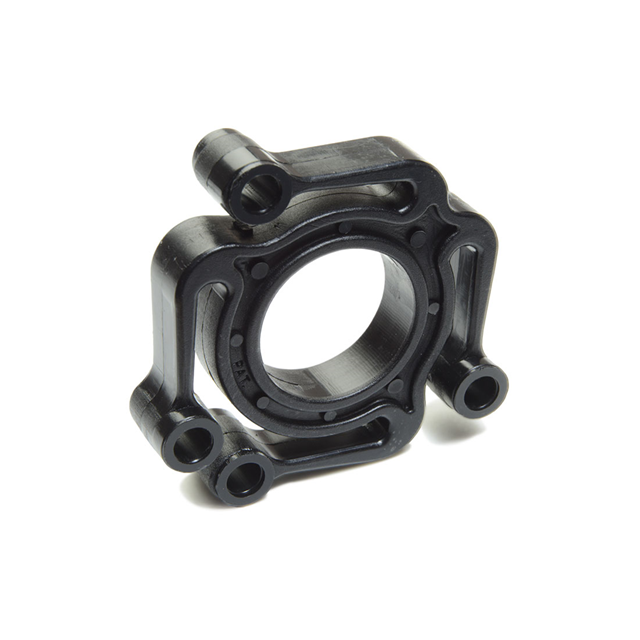 Schmidt Kupplung 19MM OD CONTROLFLEX INSERT | Sign in to see pricing | Insert | — | — |
 Schmidt Kupplung 25MM OD CONTROLFLEX INSERT | Sign in to see pricing | Insert | — | — |
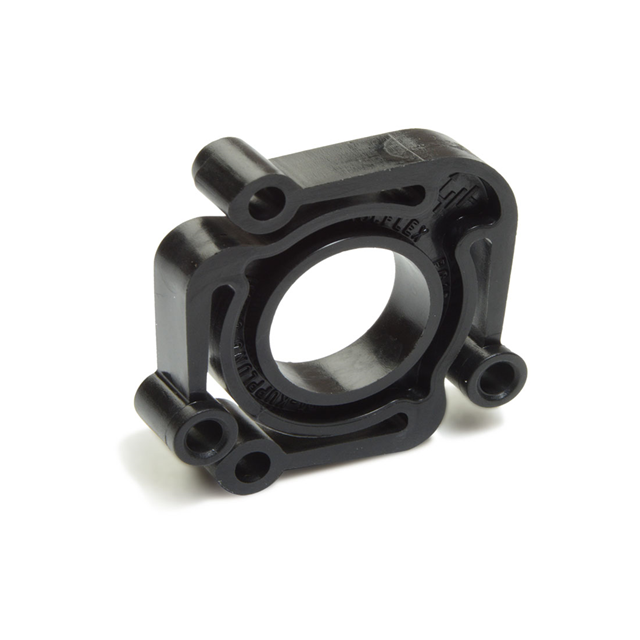 Schmidt Kupplung 37MM OD CONTROLFLEX INSERT | Sign in to see pricing | Insert | — | — |
Schmidt Kupplung 75MM OD CONTROLFLEX INSERT | Sign in to see pricing | Insert | — | — |
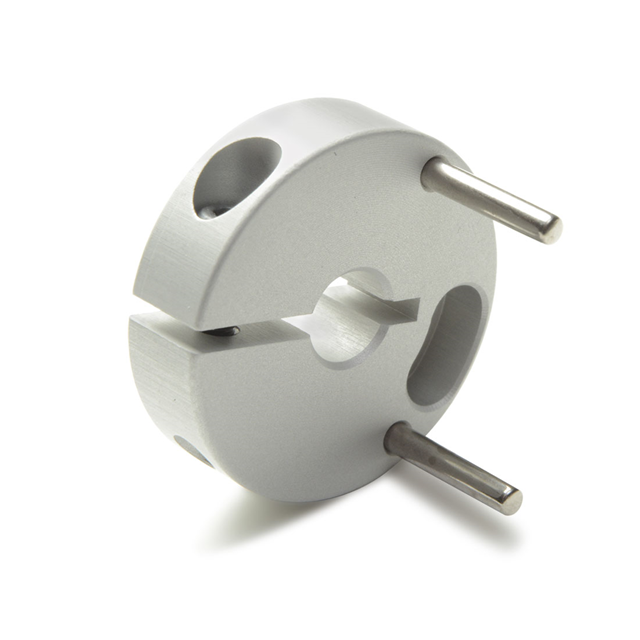 Schmidt Kupplung 1/8" CONTROLFLEX COUPLING HUB | Sign in to see pricing | Coupling Hub | 0.787 in | 0.748 " |
Schmidt Kupplung 3/16" CONTROLFLEX COUPLING HUB | Sign in to see pricing | Coupling Hub | 0.787 in | 0.748 " |
Schmidt Kupplung 1/4" CONTROLFLEX COUPLING HUB | Sign in to see pricing | Coupling Hub | 0.787 in | 0.748 " |
Schmidt Kupplung 5/16" CONTROLFLEX COUPLING HUB | Sign in to see pricing | Coupling Hub | 0.787 in | 0.748 " |
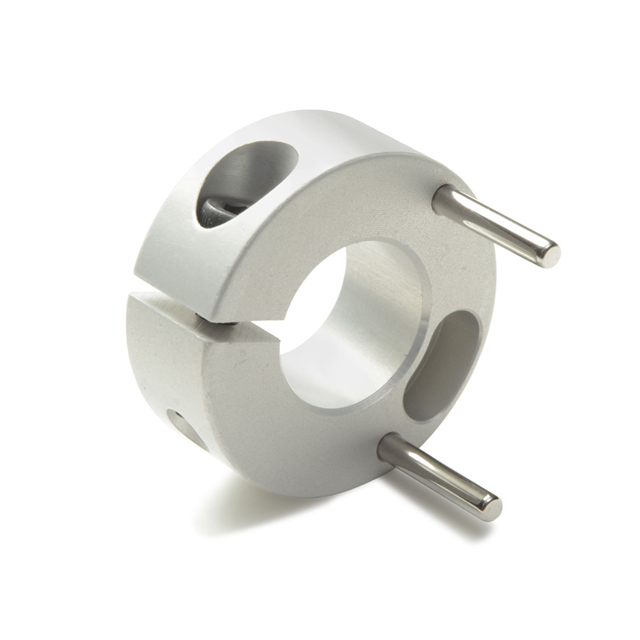 Schmidt Kupplung 3/8" CONTROLFLEX COUPLING HUB | Sign in to see pricing | Coupling Hub | 0.787 in | 0.748 " |
Schmidt Kupplung 1/4" CONTROLFLEX COUPLING HUB | Sign in to see pricing | Coupling Hub | 1.22 in | 0.984 in |