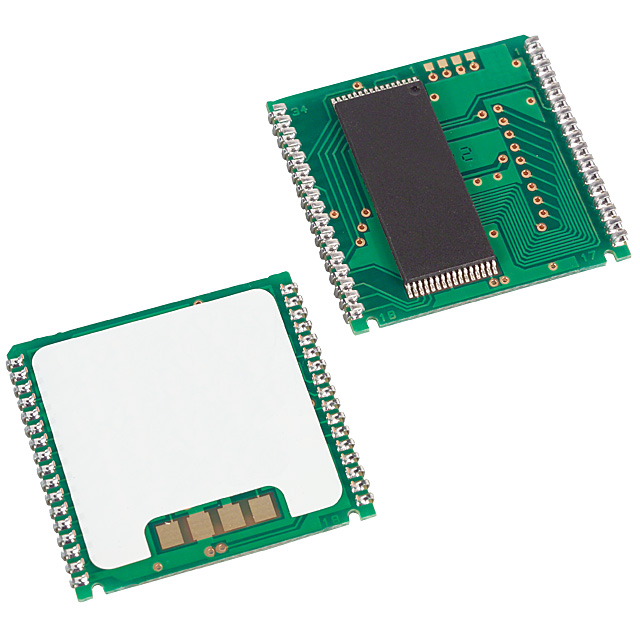
DS1744-70
ObsoleteIC RTC CLK/CALENDAR PAR 28EDIP
Deep-Dive with AI
Search across all available documentation for this part.
DS1744-70
ObsoleteIC RTC CLK/CALENDAR PAR 28EDIP
Deep-Dive with AI
Technical Specifications
Parameters and characteristics for this part
| Specification | DS1744-70 |
|---|---|
| Current - Timekeeping (Max) | 4 mA |
| Date Format | YY-MM-DD-dd |
| Features | Y2K, Leap Year, NVSRAM |
| Interface | Parallel |
| Memory Size | 32 kB |
| Mounting Type | Through Hole |
| Operating Temperature [Max] | 70 °C |
| Operating Temperature [Min] | 0 °C |
| Package / Case | 28-DIP Module (0.600", 15.24mm) |
| Supplier Device Package | 28-EDIP |
| Time Format | HH:MM:SS (24 hr) |
| Type | Clock/Calendar |
| Voltage - Supply [Max] | 5.5 V |
| Voltage - Supply [Min] | 4.5 V |
Pricing
Prices provided here are for design reference only. For realtime values and availability, please visit the distributors directly
| Distributor | Package | Quantity | $ | Updated |
|---|---|---|---|---|
Description
General part information
DS1744 Series
The DS1744 is a full-function, year-2000-compliant (Y2KC), real-time clock/calendar (RTC) and 32k x 8 NV SRAM. User access to all registers within the DS1744 is accomplished with a byte-wide interface as shown in Figure 1. The RTC information and control bits reside in the eight uppermost RAM locations. The RTC registers contain century, year, month, date, day, hours, minutes, and seconds data in 24-hour BCD format. Corrections for the date of each month and leap year are made automatically. The RTC clock registers are double-buffered to avoid access of incorrect data that can occur during clock update cycles. The double-buffered system also prevents time loss as the timekeeping countdown continues unabated by access to time register data. The DS1744 also contains its own power-fail circuitry that deselects the device when the VCCsupply is in an out-of-tolerance condition. This feature prevents loss of data from unpredictable system operation brought on by low VCCas errant access and update cycles are avoided.
Documents
Technical documentation and resources